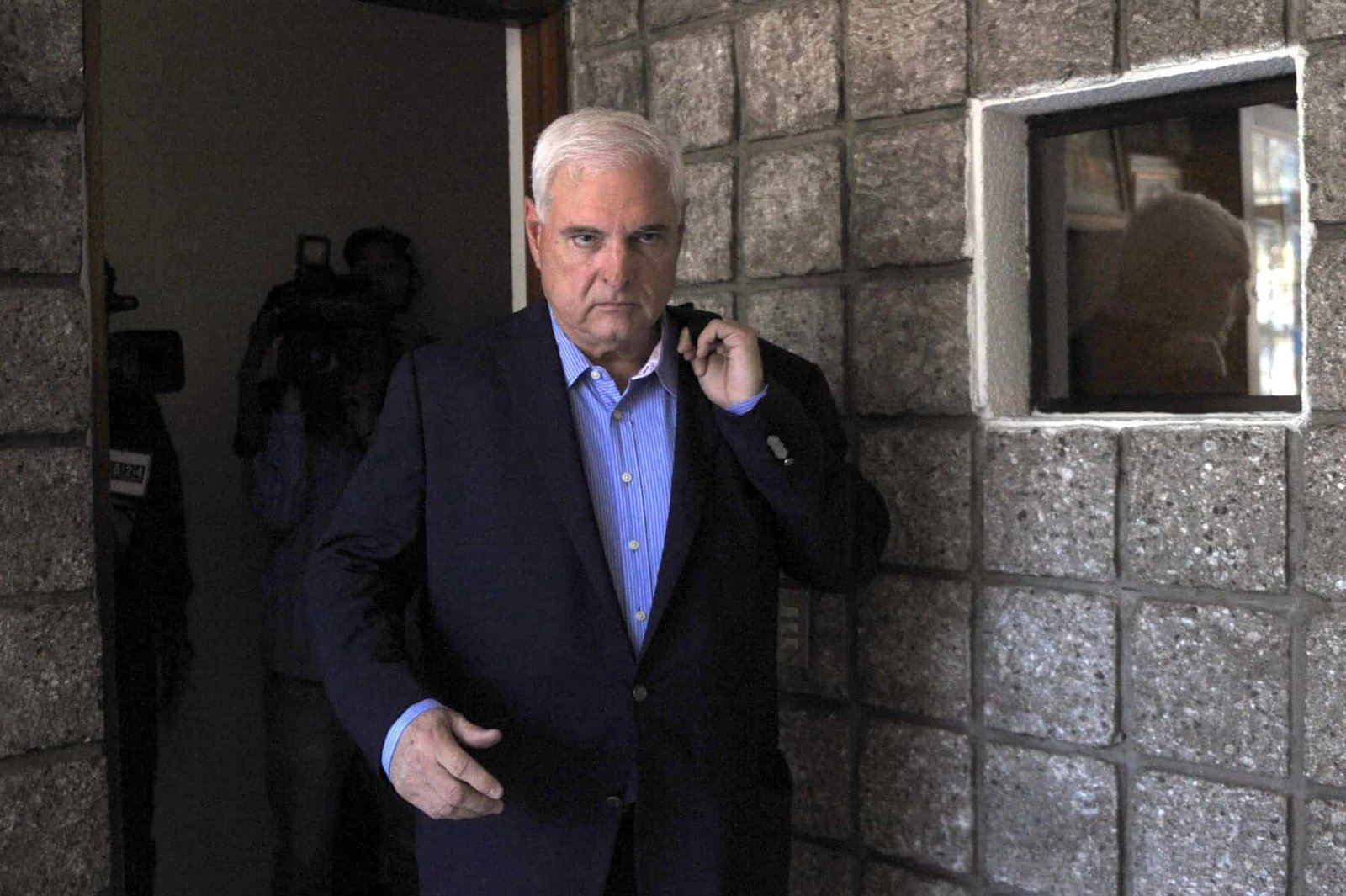
























































The political and legal saga surrounding former Panamanian President Ricardo Martinelli took a dramatic turn this week as his safe-conduct pass to Nicaragua officially expired at midnight on April 3, 2025. The expiration came after the Nicaraguan government failed to respond within the given timeframe to Panama’s diplomatic request for clearance, leaving Martinelli confined within the Nicaraguan Embassy in Panama City—where he has been residing since February.
Martinelli, who led Panama from 2009 to 2014, was convicted of money laundering in 2023 and sentenced to over 10 years in prison. In a move to avoid incarceration, the former president sought asylum from the Nicaraguan government, which was granted shortly after his conviction was upheld by the courts. Since then, Martinelli has been seeking safe passage out of the country to take up asylum in Nicaragua.
Safe Passage and Diplomatic Delay
Panama initially granted Martinelli a diplomatic safe-conduct pass on March 27, 2025, permitting him to leave the country for Nicaragua. The original pass was valid for only a few days and was later extended to April 3 after complications emerged over a proposed Interpol Red Notice.
Though Panama’s judiciary requested Interpol to issue a red notice to restrict Martinelli’s international movement, the national police ultimately rejected the request. Citing international legal standards, the police noted that Interpol prohibits red notices in cases involving political refugees or individuals granted asylum—a classification that Martinelli currently holds.
Despite having fulfilled all the bureaucratic obligations and submitted formal documentation, Panama received no confirmation or response from Nicaraguan authorities about receiving Martinelli. According to an official statement from the Panamanian Foreign Ministry, “The Government of the Republic of Nicaragua has not given a response… and its subsequent extension.” With the absence of diplomatic reciprocation, the safe passage “has reached its expiration date.”
Asylum Status Still Intact
Although Martinelli cannot legally leave Panama without a valid safe-conduct pass, his status as an asylee remains intact under international law. Panama reiterated that it continues to respect Nicaragua’s decision to grant Martinelli asylum, even though no progress has been made toward executing the asylum transfer.
The situation leaves Martinelli in diplomatic limbo—technically protected under asylum but unable to exit Panama legally. His continued stay in the embassy draws attention from human rights advocates, legal scholars, and political observers who view the situation as a delicate test of international diplomatic norms.
Strained Diplomatic Ties
The lack of response from Nicaragua has raised questions about the current state of relations between the two Central American nations. Analysts speculate that geopolitical sensitivities, regional alliances, and international optics may have contributed to the Nicaraguan government’s decision to remain silent.
“The delay could reflect a tactical hesitation on Nicaragua’s part,” said Luis Gómez, a Latin American political analyst at the University of Costa Rica. “They may be calculating the international fallout of directly defying Panama’s judiciary while protecting a convicted former head of state.”
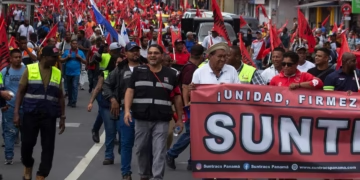
Meanwhile, supporters of Martinelli argue that the former president is the target of political persecution and that his asylum is both necessary and justified. Opponents insist that the rule of law must be upheld and that Martinelli should serve his sentence like any other citizen.
The Broader Context
Martinelli’s case comes at a time of increasing scrutiny of democratic backsliding and corruption in Latin America. With mounting regional tensions and the growing influence of populist leaders, his stalled asylum highlights the fragile balance between legal justice and diplomatic privilege.
Furthermore, Panama’s decision to deny Interpol’s red notice request has added fuel to the debate. While legally consistent with international norms, the move was seen by some as an attempt to avoid a direct confrontation with Nicaragua or to maintain diplomatic neutrality.
What Comes Next?
For now, Martinelli remains inside the Nicaraguan Embassy in Panama City, and his future hangs in the balance. Without a new safe-conduct agreement, he cannot leave. If he exits the embassy without protection, he risks immediate arrest and imprisonment. If Nicaragua continues to remain silent, the stalemate could last indefinitely.
Panama’s government has not ruled out the possibility of renewing negotiations for safe passage but insists that the responsibility now lies with Nicaragua. Meanwhile, the public awaits clarity—either in the form of a diplomatic breakthrough or a legal turning point that could redefine how political asylum is handled across borders.