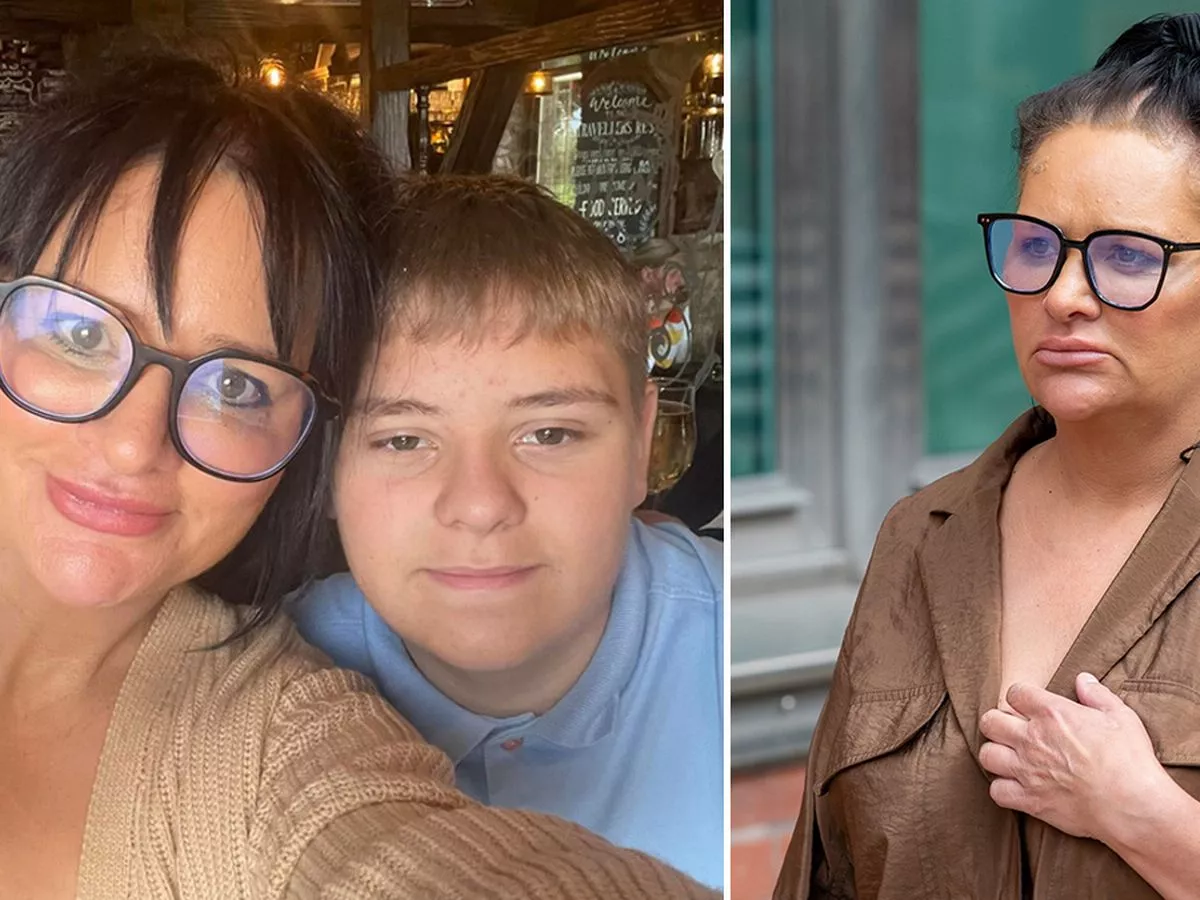

























































A heartbroken mother, whose young son, Harvey Willgoose, was tragically murdered, is fervently calling for the revelation of the identity of the 15-year-old killer, an identity that is, as it stands, shielded under the laws pertaining to the confidentiality of minors.
Harvey Willgoose was the innocent victim of an unthinkable act of violence—a schoolboy, who should have been enjoying the carefree years of youth, had his life abruptly and brutally cut short. The crime, committed by another minor, has sent shockwaves through the community and left a family grappling with the devastating loss of a child.
The perpetrator, a boy of only 15 years old, is currently protected by regulations that ensure the anonymity of juvenile offenders. These laws are designed to protect the rights of young people who find themselves on the wrong side of the law, allowing them the chance to reform without the stigma of their past actions trailing them into adulthood. However, the scope and severity of this particular crime has led many, including Harvey’s grieving mother, to question whether such protections should be extended to offenders guilty of such brutal acts.
The call from Harvey’s mother for the naming of her son’s killer resonates with a broader debate currently unfolding in the United Kingdom. There is an increasing demand for a reconsideration of the law, particularly in cases involving severe crimes committed by juveniles. The argument is that the public has a right to know the identities of those who pose a potential threat to society, regardless of their age.
The law’s primary rationale for preserving the anonymity of young offenders is the belief in their potential for rehabilitation. The idea is that by protecting their identity, these young individuals are given a second chance at life, free from the burden of a criminal past. The law aims to prevent a situation where the juvenile, once they reach adulthood, is unable to escape the shadow of their juvenile delinquency, thus impeding their ability to reintegrate into society and possibly leading to a life of continued crime.
Nonetheless, the justice system is frequently forced to weigh this potential for rehabilitation against the severity of the crime committed and the associated public safety concerns. In the case of Harvey Willgoose, the young age of the perpetrator is juxtaposed with the brutality of the act committed, leading to a moral and legal conundrum.
Harvey’s mother, in her grief and quest for justice, represents a growing segment of society that believes the rights of victims and the wider community should take precedence over the rights of offenders, particularly when the crimes committed are of such a heinous nature. The argument is that the public’s right to know, and the victims’ right to justice, should not be overshadowed by the offender’s right to anonymity and a chance at rehabilitation.
However, opponents of this stance argue that revealing the identity of young offenders can lead to a myriad of negative consequences, including vigilantism, social ostracism, and an increased likelihood of reoffending due to the inability to reintegrate into society successfully. They caution that such a move might be counterproductive and could exacerbate the very issues it seeks to address.
The debate is a complex and emotionally charged one, stirring up sentiments on both sides. As the law currently stands, the identity of Harvey Willgoose’s killer remains undisclosed, his anonymity protected by the very system that seeks to bring him to justice. Whether this will change in the future remains uncertain, as the clamour for reform continues to grow louder, fuelled by cases such as Harvey’s.
In the midst of this contentious debate, the memory of Harvey Willgoose serves as a poignant reminder of the human cost of crime. His murder, committed by a fellow minor, highlights the urgent need to balance the rights of young offenders with the rights of victims and the broader community. It is a delicate balance, indeed, and one that continues to challenge the justice system and society at large.