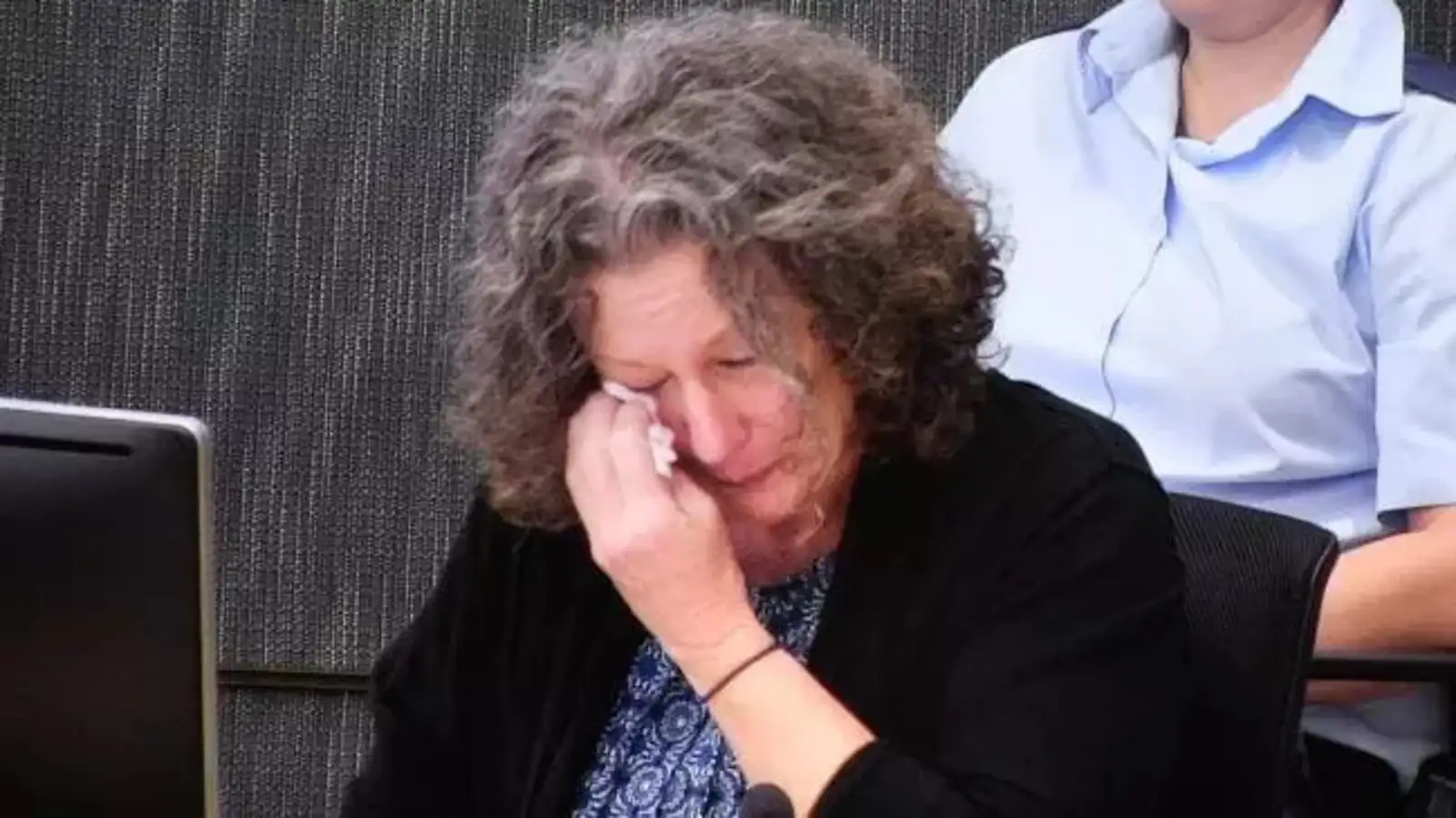















































In her first public statement following a substantial monetary offer from the New South Wales government, Kathleen Folbigg has expressed her bewilderment and astonishment due to the opaque nature of the sum’s calculation.
Kathleen Folbigg, who has remained silent until now, finally broke her silence to voice her objections against the $2 million compensation offered by the New South Wales government. The sum, proposed as a payout for her wrongful incarceration, has left Folbigg feeling both “confused” and “shocked”. The lack of clarity and transparency in the process of determining the figure has led to this sense of unease and surprise.
Folbigg’s case is particularly noteworthy due to the circumstances surrounding it. Legal cases involving wrongful imprisonment are often complex and emotionally charged, as they represent significant failures in the justice system. The victims of such mistakes suffer not only the loss of their freedom but also the stigma attached to being labelled a criminal, which can have severe psychological and emotional impacts.
In Folbigg’s case, the New South Wales government’s decision to offer a $2 million payout is an acknowledgement of such an error. However, the manner in which the sum was calculated has been shrouded in mystery, leaving Folbigg and the public at large in a state of confusion. The lack of transparency in the process has raised concerns about the fairness and adequacy of the proposed sum.
The size of the payout in cases of wrongful imprisonment is usually determined based on a variety of factors. These typically include the length of time the person spent in prison, the impact on their life and reputation, and the emotional and psychological trauma they experienced. The calculation also often takes into account any loss of earning potential as a result of the imprisonment.
In Folbigg’s case, however, these details have not been made public, leading to her dismay and shock. It is understandable that she, as the victim of a significant miscarriage of justice, would want a clear and detailed explanation of how the compensation sum was derived.
The issue of compensation for wrongful imprisonment is a contentious one globally. In some jurisdictions, the wrongfully accused are entitled to substantial payouts, while in others, the compensation is minimal or even non-existent. The lack of a standardised approach often leads to inconsistencies and perceived injustices, further exacerbating the trauma experienced by those who have been wrongfully imprisoned.
In Folbigg’s case, the lack of transparency around the calculation of the compensation sum has added another layer of complexity and controversy to an already fraught situation. As she struggles to come to terms with the emotional aftermath of her wrongful incarceration, the uncertainty surrounding the payout only serves to compound her distress.
It is essential, therefore, for governments and legal systems to strive for greater transparency and fairness in such situations. A clear, detailed explanation of how compensation amounts are determined can go a long way in restoring faith in the justice system and providing closure for those who have been wrongfully imprisoned.