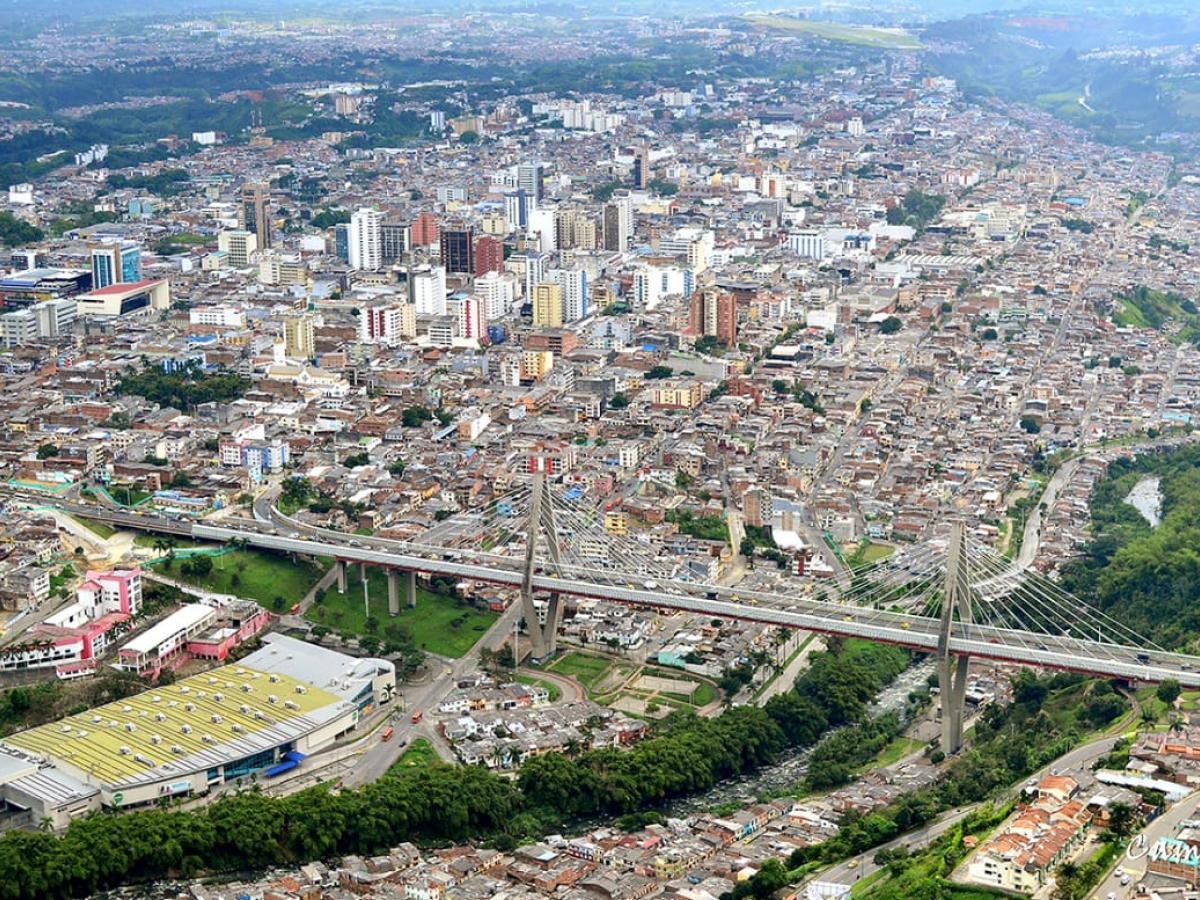









































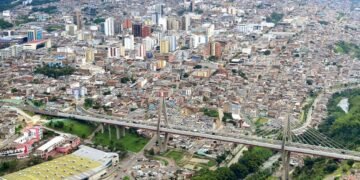














The bustling city of Pereira, nestled in the heart of Colombia, has always been renowned for its striking blend of urban and suburban landscapes. However, like many thriving cities, it grapples with the challenge of traffic congestion. To combat this issue, local authorities have implemented a traffic policy known as ‘Pico y Placa.’ This particular measure, which translates to ‘Peak and Plate,’ is designed to regulate the flow of vehicles based on the last digit of their license plates. On Monday, 11th August 2025, this traffic restriction will be in full effect.
The Pico y Placa policy is not a new phenomenon. It was first introduced in Bogota, the capital city of Colombia, in the year 2000. Its primary purpose was to alleviate the city’s notorious traffic congestion during peak hours. The policy has since been adopted by various other Colombian cities, including Medellin, Cali, and now Pereira. The implementation of this policy in Pereira covers not just the vibrant city centre but also extends to peripheral suburban areas.
The traffic restriction is scheduled to run from 6 a.m. until 8 p.m. This broad time frame ensures the policy’s effectiveness during both the morning and evening rush hours. It is during these periods that the city’s traffic congestion typically reaches its peak as commuters travel to and from work, students rush to schools and universities, and commercial vehicles traverse the city for deliveries.
Pereira, known as the ‘Pearl of the Otún,’ is a city steeped in history and culture. Its urban areas boast a vibrant nightlife, diverse gastronomy, and a myriad of shopping opportunities. Meanwhile, the suburban regions offer a picturesque retreat from the city’s hustle and bustle, with lush coffee plantations, serene parks, and stunning views.
However, the city’s rapid growth in recent decades has led to an increase in the number of vehicles on its roads. This surge in vehicular traffic has resulted in heavy congestion, particularly during rush hours. The Pico y Placa policy aims to mitigate this issue by restricting the number of cars on the road at any given time, therefore promoting a smoother flow of traffic.
While such policies can be inconvenient for those affected, they are crucial for maintaining order on the roads and improving the city’s overall quality of life. Reducing congestion not only makes commuting more manageable for residents and visitors alike but also helps to curtail the city’s carbon emissions, contributing to a greener and more sustainable environment. Moreover, by encouraging carpooling or the use of public transport, the Pico y Placa scheme fosters a sense of community while simultaneously promoting eco-friendly practices.
The implementation of the Pico y Placa policy in Pereira on Monday, 11th August 2025, underscores the city’s commitment to addressing its traffic congestion issues. The measure encompasses both urban and suburban zones, reflecting a comprehensive approach to traffic management. It is a clear demonstration of how Pereira, like many other Colombian cities, is taking proactive steps to ensure smoother road conditions and enhance the quality of life for its citizens.