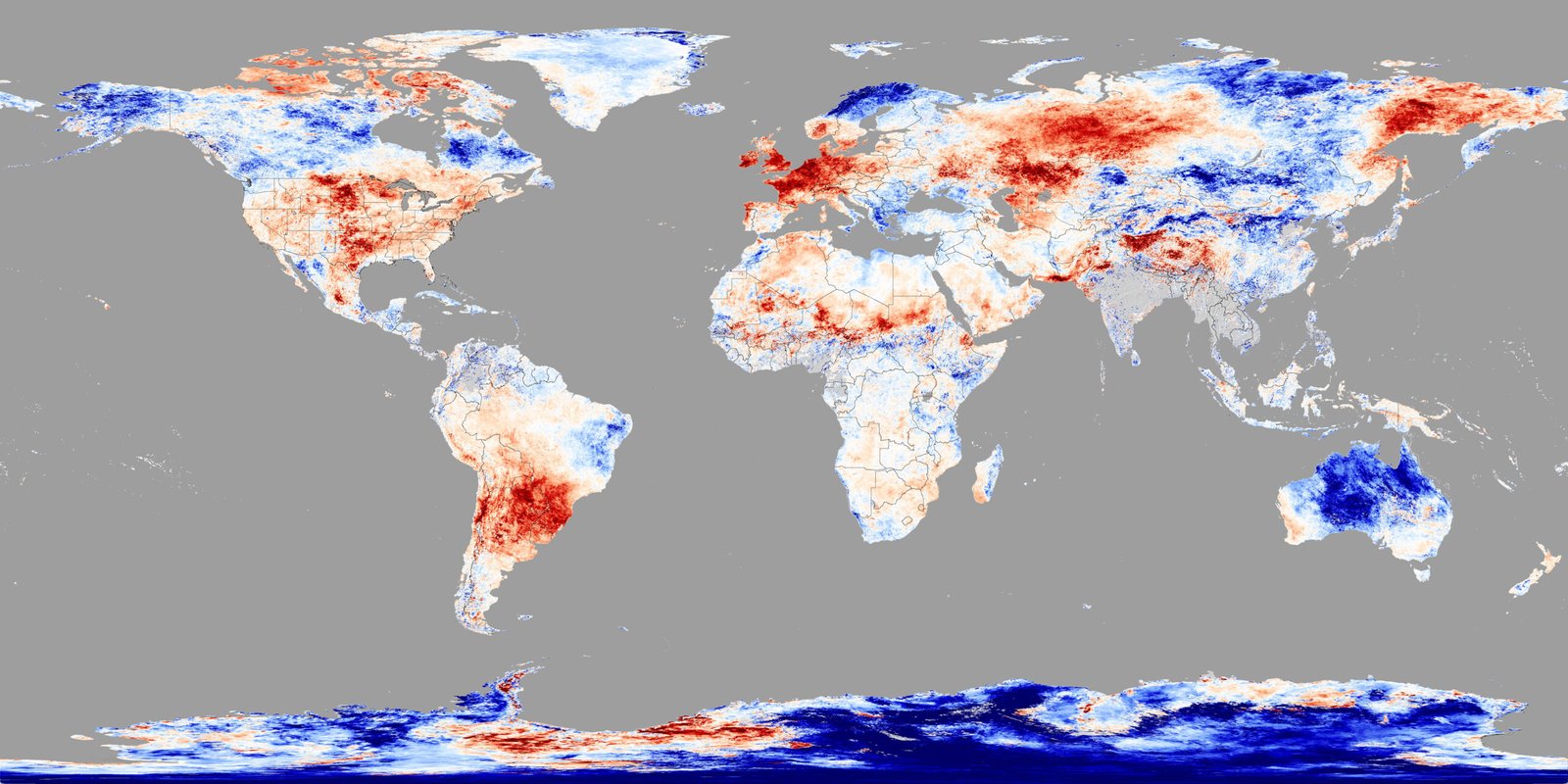





























































A powerful and prolonged heatwave has swept across central and eastern parts of North America, sending hundreds of people to hospitals and placing millions under extreme weather alerts. The intense temperatures, driven by a stationary high-pressure system known as a heat dome, have pushed heat indices into dangerous territory, especially in densely populated regions.
In Paterson, New Jersey, more than 150 people fell ill during an outdoor school graduation ceremony, prompting emergency services to declare a mass casualty incident. The city’s mayor, Andre Sayegh, responded by declaring a state of emergency, halting all recreational activities and opening several cooling centres to support residents.
Elsewhere in the United States, six people were hospitalized during an outdoor concert in Washington, D.C., where fans gathered to see South Korean group Stray Kids. In central North Carolina, at least 41 people—including three children—were treated for heat-related conditions, according to local health authorities. These incidents form part of a broader pattern as temperatures soar across a vast area stretching from the Midwest to the East Coast, and into parts of eastern Canada, including Ontario, Quebec, and Nova Scotia.
More than 160 million people have been affected by heat warnings across the continent. In some areas, that number may exceed 185 million. The National Weather Service has warned residents to stay indoors during peak heat hours, stay hydrated, and check in on vulnerable individuals such as the elderly and those with pre-existing health conditions. Authorities also advise avoiding strenuous outdoor activity and making use of public cooling centres where available.
What makes this heatwave particularly dangerous is not just the high daytime temperatures but also the lack of nighttime cooling. In some cities, overnight lows are expected to remain above 80°F (27°C), giving the body little time to recover and increasing the risk of heat exhaustion and heat stroke.
Several cities are on track to break or tie temperature records. In New York City, forecasts predicted highs reaching 101°F (38°C), which would match the city’s hottest June temperature ever recorded, dating back to 1966. The Mid-Atlantic region is expected to endure the most intense heat through Thursday, followed by the eastern Ohio Valley on Friday. These regions are forecast to see several consecutive days of dangerously high temperatures.
The impact of the heatwave is not limited to human health. Infrastructure is also under strain. Roads and bridges have buckled in places like New Jersey and Massachusetts due to prolonged exposure to heat. In Washington, D.C., the city’s metro system slowed trains as track temperatures soared. Meanwhile, power companies across the East Coast have urged customers to reduce electricity usage, warning of potential blackouts as air conditioning demand spikes.
This heatwave comes less than a week after the official start of summer and is already being described as one of the most intense June weather events in recent memory. Experts warn that these types of heat events are becoming more frequent and severe due to human-driven climate change. A growing body of research indicates that the number of heat domes forming over North America has tripled in recent decades, with climate models predicting more intense and longer-lasting heatwaves in the years to come.
Relief may arrive later in the week as a cold front is expected to move through parts of the Northeast, bringing cooler temperatures. However, the Southeastern United States may continue to experience dangerously high heat into the following days.
As climate extremes become more common, this heatwave serves as another stark reminder of the growing risks posed by rising global temperatures. It has already disrupted daily life, overwhelmed emergency services, and strained regional infrastructure—offering a clear signal that cities and communities must prepare for even hotter summers in the future.