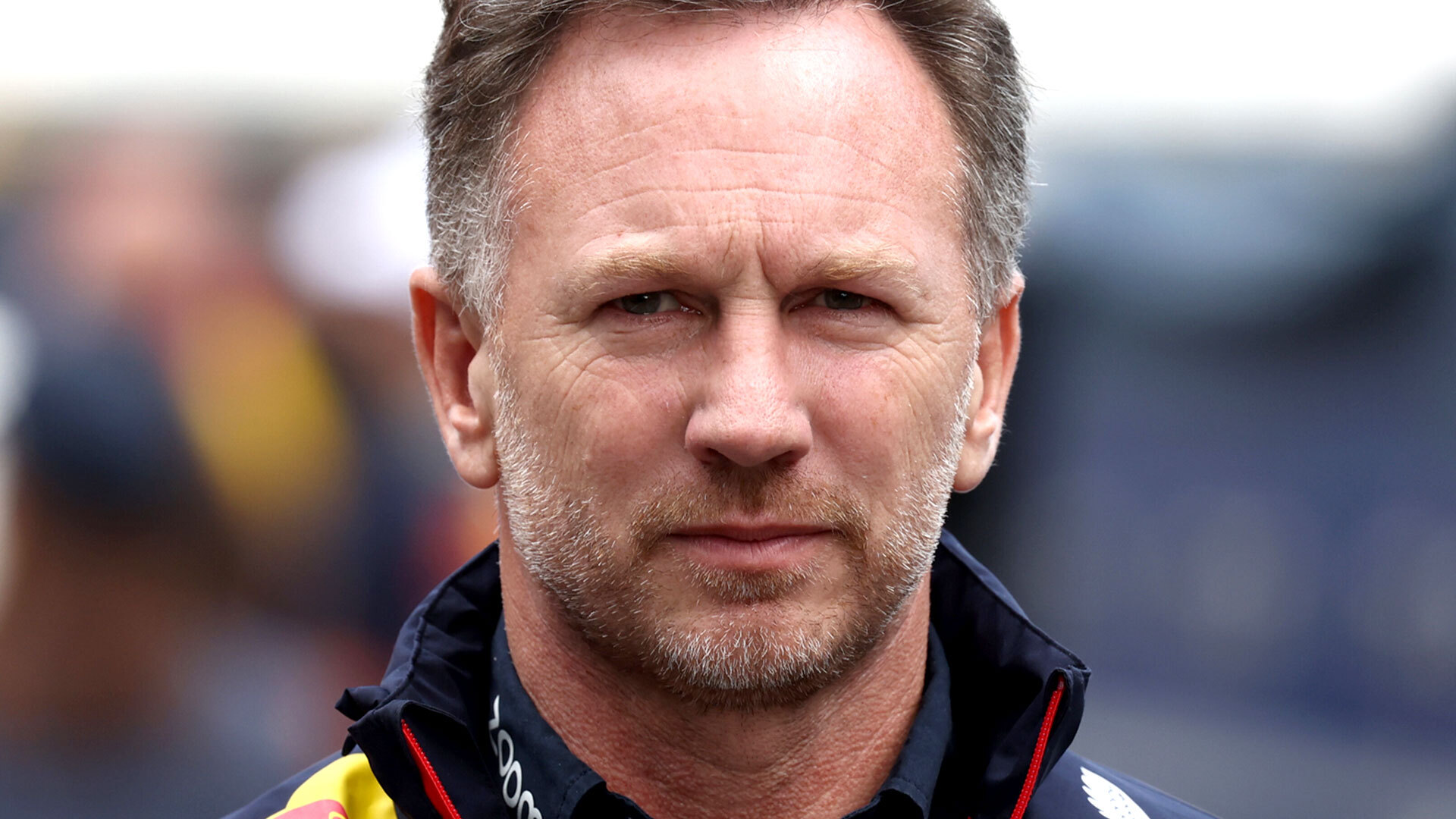




















































For the first time since its inception in 2005, Red Bull Racing arrived at the Belgian Grand Prix without Christian Horner at the helm, marking a major shift in the team’s leadership landscape. Horner’s abrupt dismissal following the British Grand Prix has left the Formula 1 world—and much of the Red Bull Racing workforce—searching for answers.
Though the dismissal was not entirely unexpected due to mounting internal tensions, the lack of clarity and communication around the decision has fueled speculation. Despite media attention and mounting questions, Red Bull GmbH, the Austrian-based parent company of the F1 team, has yet to issue a formal explanation for Horner’s removal. Austrian executive Oliver Mintzlaff, who oversees Red Bull’s sporting ventures, was a key figure behind the decision and is expected to appear at the Spa-Francorchamps paddock, but has so far avoided media scrutiny.
The absence of an official rationale for Horner’s ousting has opened the door to widespread theories. These range from interpersonal rifts with key figures like Helmut Marko and Jos Verstappen to Red Bull’s recent underperformance and the loss of significant technical talent such as Adrian Newey, Rob Marshall, and Jonathan Wheatley. Many insiders believe it was a confluence of these issues that led to his departure. However, what baffles team insiders and fans alike is the timing and lack of transparency surrounding the move.
Within the organization, Horner was reportedly still highly respected by the bulk of the factory team and staff, despite his often combative public persona. Given his more than two-decade tenure, during which Red Bull secured every one of its race wins and championships, the silence surrounding his exit feels particularly stark.
Max Verstappen, the reigning world champion and cornerstone of Red Bull’s recent dominance, has remained diplomatic but clearly emotional about the decision. He acknowledged having shared his views with Red Bull’s shareholders and referred to Horner as “like a second family.” Reports indicate that Chalerm Yoovidhya, Red Bull GmbH’s majority shareholder, personally informed Verstappen in Monaco just before the news broke publicly. Although Verstappen’s father has long had a strained relationship with Horner, Max himself has maintained communication with his former team boss since the announcement.
Yoovidhya had previously been a staunch Horner supporter, but the rising influence of Mintzlaff and pressure from the Austrian side of the company appeared to shift the internal dynamics. Both Marko and Jos Verstappen reportedly advocated for Horner’s removal, citing concerns about his growing authority within the organization.
In Horner’s place, Laurent Mekies has stepped in as team principal and CEO—a dual role suggesting immense responsibility. Mekies, an engineer by training and former deputy team boss at Ferrari, had most recently led Red Bull’s junior team, the Racing Bulls. He now inherits a vastly different challenge: stabilizing and steering a Formula 1 powerhouse amid internal upheaval and external scrutiny.
Mekies’ appointment signals a departure from the Horner era in more ways than one. Unlike Horner, who was known for his media savvy and commercial acumen, Mekies has a more reserved and technically focused background. This could present both strengths and weaknesses. While his ability to communicate with drivers and engineers is praised—Carlos Sainz notably called him a great communicator—his lack of experience in commercial negotiations may prompt Red Bull to eventually appoint a separate executive to manage the business side.
This internal restructuring is consistent with recent conversations between Mintzlaff and Horner, where it was suggested that Horner’s commercial responsibilities would be scaled back. As such, Mekies might not retain full control in areas like sponsorship and partner relations, a realm where Horner notably excelled, having helped secure deals with Oracle and Ford.
Operationally, Mekies will need to address Red Bull’s recent dip in on-track performance while ensuring the team maintains its edge ahead of the 2026 regulation changes. While some rumors swirled about Verstappen considering a future move to Mercedes, the Dutch driver himself has said Horner’s departure doesn’t affect his long-term plans. Still, Verstappen emphasized the importance of staying competitive, hinting that the new engine project and the team’s ability to deliver a fast car will be crucial in retaining his commitment.
Internally, Red Bull’s identity may also undergo a transformation. Several sources suggest that Red Bull Racing had, under Horner, evolved into a highly corporate entity, losing some of the rebellious spirit that defined its early years. Ironically, Red Bull’s junior team is now seen by many as a more enjoyable and dynamic place to work. The company’s Austrian leadership reportedly hopes to recapture some of the original team ethos—fun, innovation, and risk-taking—under Mekies’ guidance.
While Red Bull fans and stakeholders alike can expect a less confrontational leadership style going forward, larger questions remain unanswered: What is Red Bull Racing’s DNA in this new era? Will Mekies be given the autonomy needed to lead? And will Red Bull GmbH offer any clarity to a fanbase and team still reeling from a seismic leadership change?
Only time—and perhaps results—will reveal if the new regime can match or exceed the towering legacy left behind by Christian Horner.