










































President Faustin-Archange Touadéra to Seek Controversial Third Term in Central African Republic
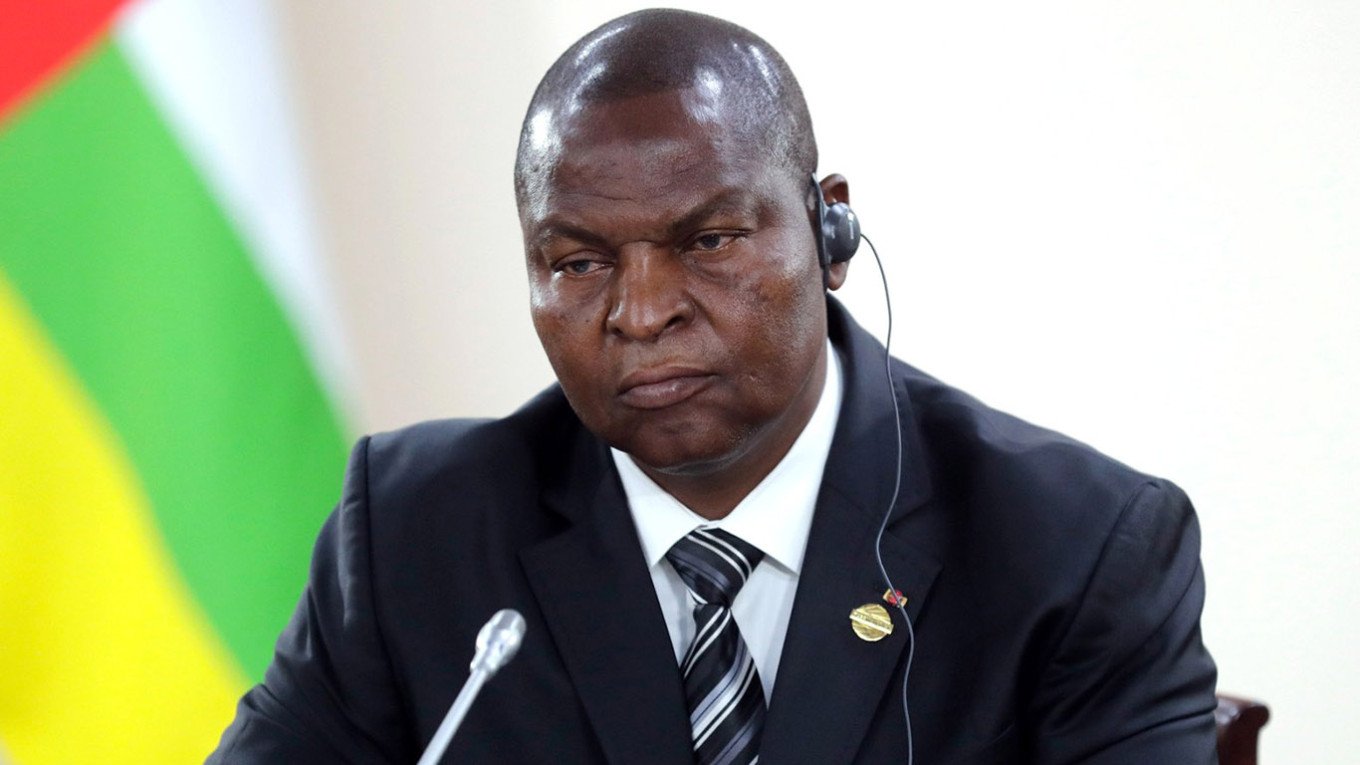
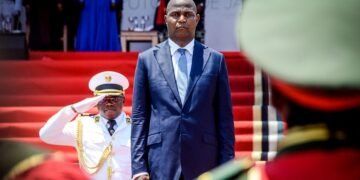
President Faustin-Archange Touadéra of the Central African Republic has officially declared his intention to run for a third term in office, sparking renewed debate over democratic governance in the conflict-ridden country. The announcement came after his formal nomination by the ruling United Hearts Movement party during a ceremony on Saturday, reinforcing his determination to remain at the helm of one of Africa’s most volatile nations.
Originally, Touadéra’s presidency was set to conclude at the end of his second term. However, a controversial constitutional referendum held in 2023 altered the political landscape. The amendments not only abolished the previous two-term limit for the presidency but also extended the duration of each term from five to seven years. Critics, including opposition leaders and civil society groups, have condemned the referendum as a power grab and a serious setback for democratic development in the country.
Touadéra first assumed office in 2016 following a turbulent period marked by civil unrest and transitional governance. He secured re-election in 2020, though that vote was overshadowed by widespread violence and allegations of fraud. Armed rebel factions, most notably the Coalition of Patriots for Change, launched offensives aimed at derailing the electoral process, resulting in clashes that displaced thousands and deepened the country’s humanitarian crisis.
Throughout his presidency, Touadéra has faced persistent challenges in maintaining security and stability. To bolster his grip on power, he has relied heavily on foreign military support. Notably, the government has turned to Russian mercenaries affiliated with the Wagner Group to assist in combating rebel groups. This partnership has drawn international scrutiny, particularly from Western governments, over concerns about human rights abuses and growing Russian influence in Africa.
The Central African Republic has been plagued by conflict since gaining independence from France in 1960. Successive governments have struggled to assert control over the entire country, with various armed groups vying for power and control of natural resources, including diamonds, gold, and timber. The nation’s complex tapestry of ethnic, political, and religious divisions has further complicated peacebuilding efforts.
Despite the mounting security and political tensions, preparations are underway for the country’s upcoming elections, which are expected to include presidential, legislative, and local polls. While officials have confirmed that the elections are slated for December, a specific date has not yet been finalized. Observers remain concerned about whether free and fair elections can be conducted in such a fragile environment.
Touadéra’s third-term bid is likely to intensify both domestic and international scrutiny as the Central African Republic moves toward a potentially pivotal election season. The outcome will not only determine the political future of the 68-year-old leader but also shape the country’s long struggle toward peace, stability, and democratic governance.