










































Tensions are rising in Cameroon after the country’s electoral commission rejected the candidacy of opposition figure Maurice Kamto, a key challenger to President Paul Biya, in the lead-up to the upcoming presidential election scheduled for October 12.
The announcement, made on Saturday by the head of the country’s elections authority ELECAM, revealed a list of 13 approved candidates—Kamto was notably absent. The commission did not provide any official reason for his disqualification, despite his formal application having been submitted just a week earlier.
Candidates excluded from the preliminary list now have two days to appeal to the Constitutional Council, which is tasked with issuing the final ruling on who can contest the election.
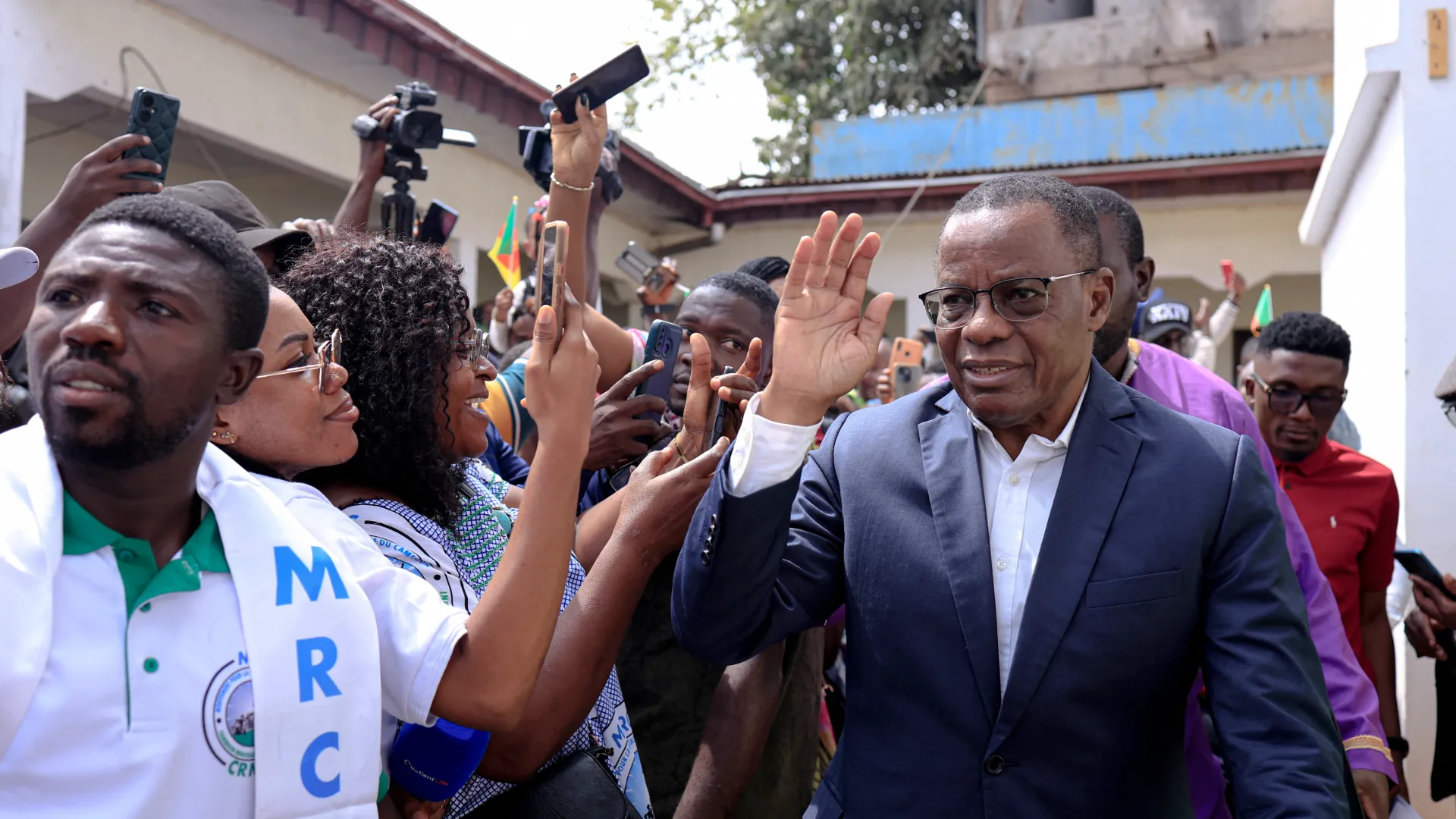
Maurice Kamto, 71, has long been considered the most credible challenger to Biya’s decades-long rule. A former government minister and leader of the Cameroon Renaissance Movement (MRC), Kamto made headlines in 2018 when he placed second in the presidential election with 14% of the vote. Biya claimed victory with over 70%, though that election was marred by accusations of voter fraud and widespread abstention.
For the 2025 election, Kamto had sought to run under the banner of the African Movement for New Independence and Democracy (MANIDEM), a smaller left-wing party. His MRC party was reportedly sidelined by legal and political maneuvering in the lead-up to the race, prompting the strategic shift to MANIDEM in an effort to remain in contention.
Kamto’s disqualification has sparked outrage among his supporters, who view the move as part of a larger effort to undermine democratic competition and ensure Biya’s continued hold on power.
Saturday’s announcement came amid heavy security deployments in Yaoundé, the capital, and Douala, the country’s economic center. Military and police presence was visibly increased around ELECAM’s headquarters, with checkpoints set up along major roads.
The United Nations Department of Safety and Security issued a warning on Friday, noting the potential for public protests and political unrest tied to the release of the candidate list. While no significant clashes have yet been reported, public frustration is simmering, especially among youth and opposition supporters.
President Paul Biya, now 92 years old, confirmed last month that he will seek an eighth term in office, despite long-standing rumors about his declining health and extended absences from the public eye. Biya has ruled Cameroon since 1982, making him the world’s oldest and one of the longest-serving heads of state.
Critics argue that Biya’s continued leadership reflects a stagnant political system that marginalizes opposition voices and relies on state institutions to maintain power. Over the years, electoral processes in Cameroon have come under scrutiny for lacking transparency and accountability.
This year’s election will be watched closely, not just within Cameroon, but across the region. The country is currently facing multiple challenges, including:
- An ongoing insurgency in the Anglophone regions, where separatist groups are calling for independence;
- Widespread economic hardship, exacerbated by inflation and high youth unemployment;
- Allegations of shrinking democratic space, with civil society groups and journalists reporting increased harassment and censorship.
The exclusion of Kamto could undermine public confidence in the electoral process and lead to broader instability in a country already facing complex security and governance challenges.
The final list of approved presidential candidates is expected to be released in the coming days after appeals are reviewed by the Constitutional Council. Whether Kamto will be reinstated remains uncertain, but calls for mass mobilisation are already growing on social media platforms and within activist networks.
If protests erupt, it could further strain Cameroon’s fragile political landscape and prompt international calls for electoral fairness and transparency.