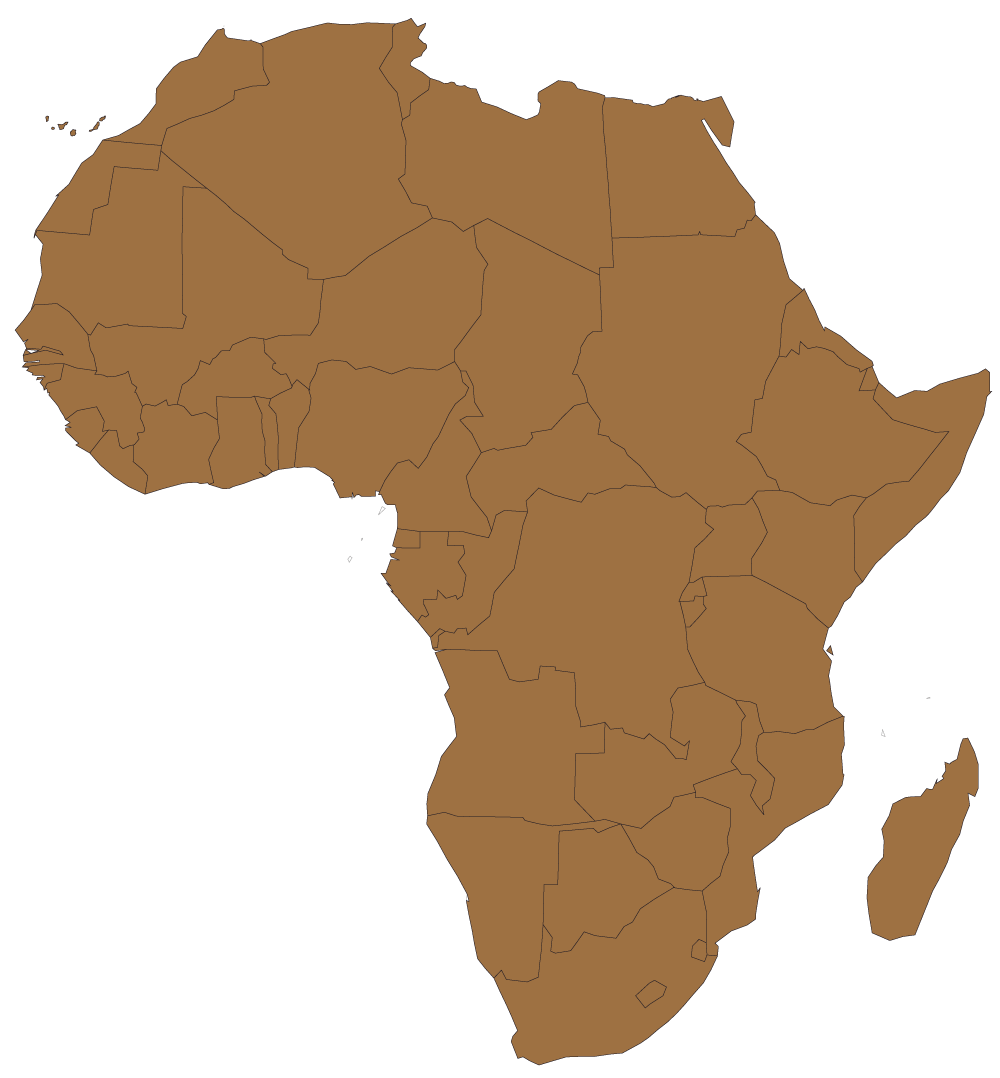
A growing number of African Americans are choosing to leave the United States and relocate to Africa, driven by a desire to reconnect with their ancestral roots, pursue a better quality of life, and escape the increasingly polarized political and social climate in America.
While former President Donald Trump is not always cited as the sole reason behind these decisions, many in the diaspora say his return to political prominence and the broader climate of cultural tension in the U.S. have amplified their sense of alienation. As a result, countries like Ghana, Kenya, and South Africa are witnessing a noticeable rise in African American migration.
Auston Holleman, an American YouTuber and digital nomad, is one of many who have made the move. Having lived in multiple countries over nearly a decade, he now calls Nairobi, Kenya home—a place where he says he feels truly accepted.
“People look like me. It’s not like going to Europe or Latin America, where Black people are few and far between,” Holleman says. “I believe the social fabric in the U.S. is broken. Here, I feel like I belong.”
Holleman adds that the U.S. political climate has created global ripple effects that make international travel and expat life more precarious for Americans.
“Trump is creating global tensions, and some countries are starting to make it harder for Americans to travel or live as nomads. That creates a potentially hostile environment abroad.”
In 2019, Ghana launched the now-famous “Year of Return” initiative, an official campaign inviting people of African descent to visit or relocate to Ghana to commemorate 400 years since the beginning of the transatlantic slave trade. Since then, the government has reported sustained interest from the Black diaspora.
In 2023 alone, Ghana granted citizenship to 524 individuals, many of whom were African Americans looking to establish new lives in West Africa.
Adilah Mohammad, founder of Adilah Relocation Services, moved to Kenya shortly after the death of her mother, seeking healing and a fresh start. What began as a personal journey has since become a full-fledged movement. Her company now assists African Americans relocating to Kenya by helping them secure housing, open bank accounts, access medical care, and adjust to their new environments.
“To me, it’s a movement,” says Mohammad. “People are choosing to free themselves mentally and spiritually. They’re not being pushed—they’re being called.”
While she acknowledges that Africa is not the only viable destination, she describes moving to the continent as a profound spiritual experience.
“To choose Africa is magical. It’s something you feel. It’s a calling.”
Economists and social commentators say the rise in African American relocation could bring economic benefits to African nations—particularly those that address issues like corruption, bureaucracy, and infrastructure gaps.
Raphael Obonyo, a public policy expert with UN-Habitat, believes the trend highlights shifting perceptions about both Africa and America.
“In many ways, America is losing talent and resources,” Obonyo explains. “It’s no longer the unquestioned ‘land of opportunity’ that it once claimed to be. This reverse migration is poking holes in that narrative.”
Obonyo also notes that some African Americans feel increasingly disconnected from U.S. institutions, especially amid cuts to diversity, equity, and inclusion (DEI) programs in schools and corporations. However, he cautions that African governments must ensure political and economic stability if they hope to retain their new citizens and attract more in the future.
Though there is no formal tally of how many African Americans have relocated to Africa in recent years, both anecdotal and official sources suggest the number is rising. Social media groups dedicated to relocation advice, YouTube travel vloggers, and relocation service providers have all reported a surge in interest—particularly after pivotal U.S. political events and high-profile incidents of racial injustice.
For many, the move is not just physical—it’s emotional, political, and deeply personal.
“It’s about reclaiming identity, building legacy, and finding peace,” says Holleman. “America isn’t the only option.”