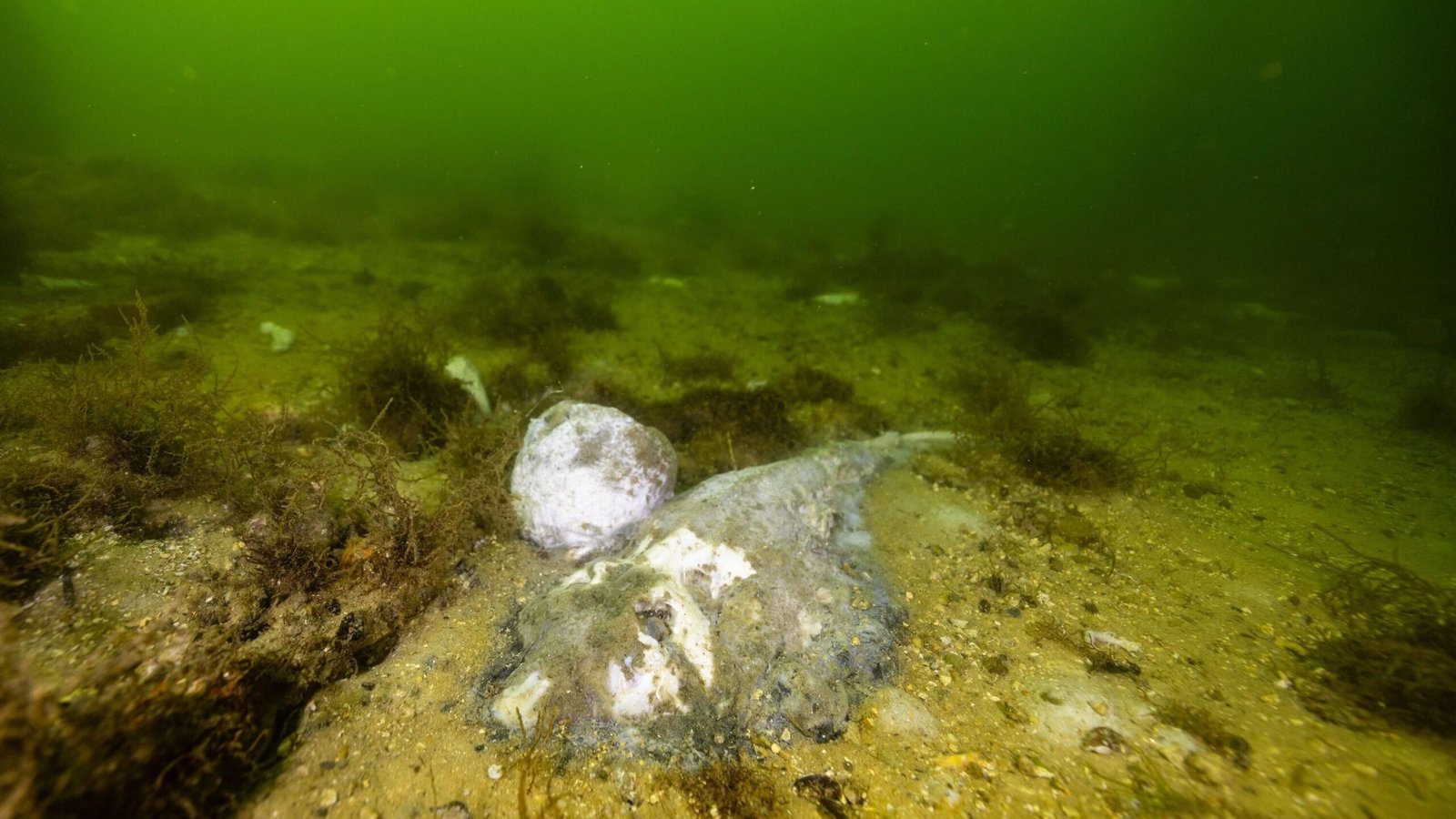






















































South Australia is facing a severe environmental crisis as a massive toxic algae bloom continues to spread along the state’s southern coastline. What began in March as a local issue has since expanded dramatically, with the bloom now covering an area more than twice the size of the Australian Capital Territory. The disaster has killed thousands of marine animals, crippled local fishing and tourism industries, and sparked a political clash over how the event should be classified.
South Australian Premier Peter Malinauskas has labeled the incident a natural disaster, urging the federal government to officially recognize it as such. The declaration would trigger greater national assistance and disaster relief measures. However, the federal government has declined to adopt that terminology, arguing the event does not meet the legal definition of a natural disaster under current Australian law.
The algae bloom is the result of a combination of factors, including unusually warm ocean temperatures, stagnant water conditions, and excess nutrient runoff—particularly following recent floods along the Murray River. These conditions have enabled the rapid spread of a toxic species of dinoflagellate known as Karenia mikimotoi. While naturally occurring, this algae can multiply explosively under the right circumstances, stripping oxygen from the water and killing marine life en masse.
Local experts and environmental groups say the bloom has resulted in the deaths of more than 13,800 marine animals, affecting over 400 species. Fish, shellfish, rays, and cuttlefish have washed up along beaches from Coorong to Yorke Peninsula. In some areas, locals report scenes of devastation that resemble an ecological horror film.
Brad Martin, a representative of the non-profit group OzFish, described the scene as “a horror movie for fish” during a BBC interview in May. Meanwhile, commercial fishers and seafood businesses are experiencing the worst economic downturn in decades. Some operators have reported no income for three months, while oyster farms have been closed for more than 80 days due to contamination concerns.
“I’ve got fishermen in tears on the phone,” said Ian Mitchell, who works as a broker between fishers and seafood retailers. “They’ve lost their livelihoods overnight.”
The South Australian government has pledged A$14 million in emergency funding to match the federal government’s initial support package, which will be directed toward clean-up operations, scientific research, and financial relief for affected industries. However, Greens Senator Sarah Hanson-Young criticized the federal response as inadequate. She accused the government of downplaying the seriousness of the crisis and suggested that a faster, more robust response would have occurred if the bloom had impacted high-profile beaches such as Bondi.
Environment Minister Murray Watt acknowledged the ecological impact of the bloom but reiterated that it does not meet the criteria for a federally declared natural disaster. That decision has come under intense scrutiny from conservationists, political opponents, and affected communities who say the scale and consequences of the bloom warrant a broader, more urgent national intervention.
The disaster has prompted calls for a Senate inquiry and a long-term funding commitment to monitor and manage coastal ecosystems. Marine scientists argue that without significant investment in early-warning systems, research, and coastal restoration efforts, future blooms may become more frequent and severe due to the ongoing effects of climate change.
This incident is being compared by some scientists to the infamous 1991 cyanobacteria outbreak on the Darling River, which also led to mass fish deaths and long-term environmental damage. Experts warn that if the current bloom is not naturally broken up by storms or cooler temperatures, it could persist for months and leave a lasting scar on the region’s marine biodiversity.
As the crisis continues, the South Australian government is urging a re-evaluation of national disaster response frameworks to account for the growing threat posed by climate-exacerbated ecological emergencies. Without meaningful legal reform, they argue, events like this could fall through the cracks, leaving communities and environments without the help they urgently need.
What is happening in South Australia is not just a local environmental issue. It is a glimpse into a future where warming oceans, extreme weather, and human activity combine to create disasters that transcend traditional definitions—and demand a new kind of national response.