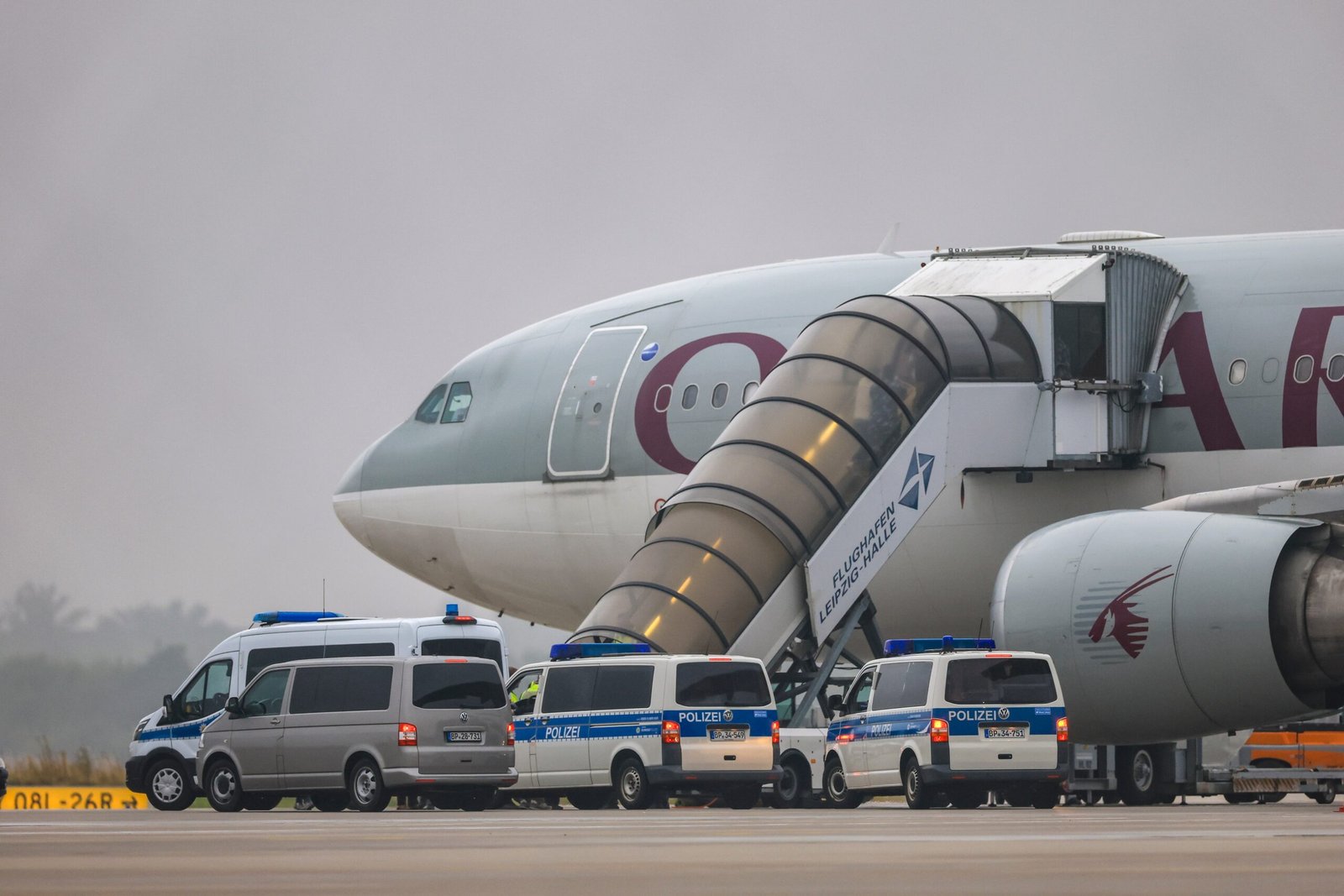




























































Five Australian women have been granted the legal right to pursue a lawsuit against Qatar Airways and MATAR, the operator of Doha’s Hamad International Airport, following a landmark decision by the Full Federal Court of Australia. The case stems from a widely criticized incident in 2020 when the women were forcibly removed from a plane at Doha airport and subjected to non-consensual and invasive physical examinations after a newborn baby was discovered abandoned in an airport bathroom bin.
The October 2020 incident made international headlines and drew condemnation from governments, rights groups, and the flying public. After the newborn was found, Qatari authorities detained several female passengers—many of them foreigners—and conducted intimate examinations without prior explanation or consent. Among those affected were thirteen Australian women. Five of them later filed a legal complaint in Australia, alleging unlawful physical contact, false imprisonment, and psychological trauma.
In 2021, the women launched legal action against three entities: Qatar Airways, MATAR, and the Qatar Civil Aviation Authority (QCAA). The plaintiffs sought damages for physical and emotional harm, including symptoms of depression and post-traumatic stress disorder. They also argued that the airline and airport operator failed in their duty of care, and that no explanation was provided at the time of the examinations.
However, in April 2024, Justice John Halley of the Federal Court dismissed key aspects of the case. He ruled that the actions taken by Qatari police and medical staff were not within the control or influence of Qatar Airways. He also determined that the Montreal Convention—an international treaty governing airline liability—did not apply in this situation because the searches occurred outside the aircraft. Furthermore, the case against the QCAA was struck out on the grounds of foreign state immunity, although some parts of the claim against MATAR were permitted to continue.
The women appealed the ruling. On July 24, 2025, a panel of three judges—Justices Angus Stewart, Debra Mortimer, and James Stellios—found that the lower court had prematurely dismissed issues that could only be resolved at trial. They ruled that the case against Qatar Airways and MATAR could proceed, while upholding the dismissal of the claims against the QCAA due to diplomatic immunity.
The judges stated that it was inappropriate to determine, at this early stage, whether the actions fell outside the airline’s operational responsibility. They emphasized that further examination of the facts was necessary to assess potential liability under the Montreal Convention, particularly regarding whether the incident could be considered part of the process of disembarkation.
Lawyer Damian Sturzaker, representing the five women, described the ruling as a major step forward. He stated that the women experienced severe trauma and deserve their day in court. He also reiterated their demand for a formal apology from the Qatari government and policy reforms to ensure such events never happen again.
The women, in earlier interviews with international media, recounted the ordeal in harrowing detail. One described the experience as feeling like she had been violated. Another said she feared she was being kidnapped, having received no explanation for why she was being detained or examined.
The original incident had wide-reaching diplomatic consequences. The Australian government condemned the treatment of its citizens, and in 2023 cited the event as one of the reasons for blocking Qatar Airways’ request to expand operations into additional Australian airports.
Qatar launched a criminal investigation following the 2020 incident, which resulted in a suspended jail sentence for one airport official. Still, critics argued that these measures were insufficient, and the affected women maintained that no meaningful accountability had been achieved.
With this latest ruling, the case will now proceed to a full trial in Australia’s Federal Court, where the women will present their evidence and seek compensation. The outcome may have broader implications for how international aviation law addresses state interference with airline passengers, and could pressure state-owned airlines and airport operators to reassess their responsibilities and protocols when handling sensitive incidents.
This case has emerged as a key test of international accountability and the rights of airline passengers subjected to abuse in foreign jurisdictions. It is now likely to become one of the most closely watched legal battles in international aviation and human rights law in recent years.