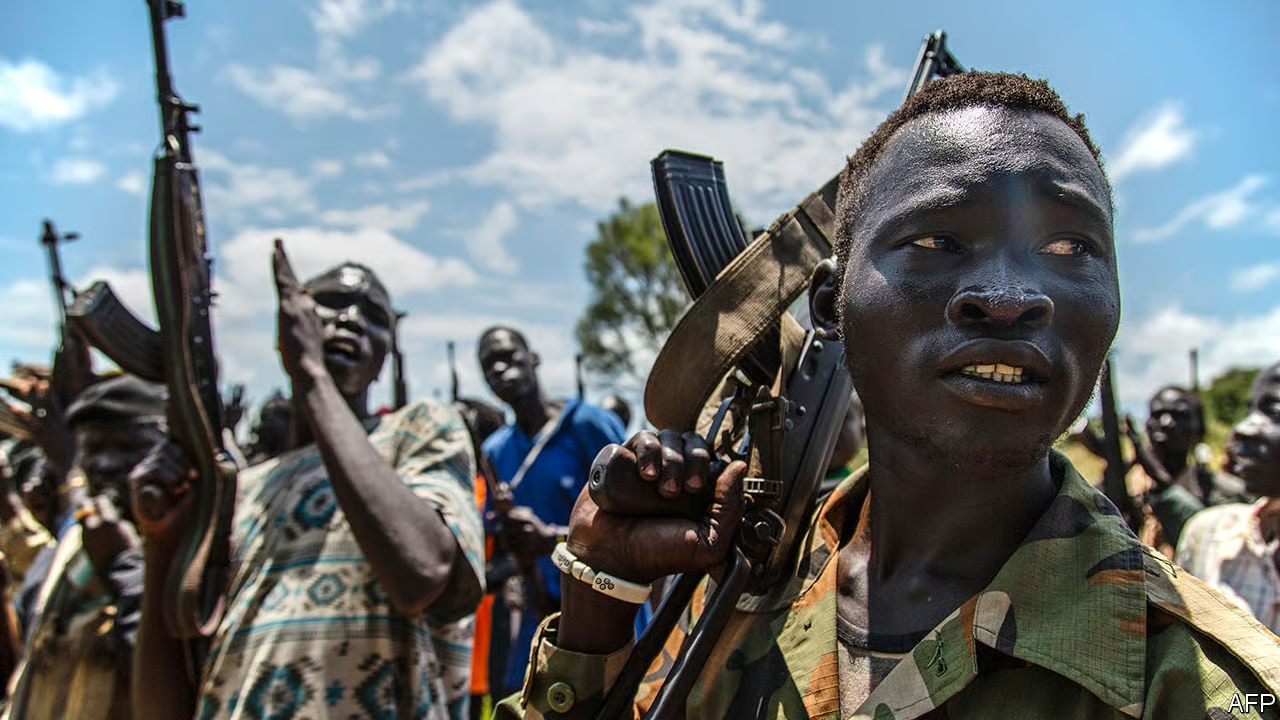























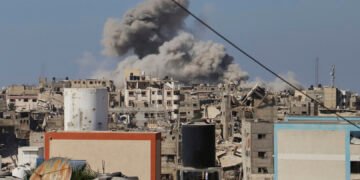

























For over two years, Sudan has been gripped by a brutal civil war that shows few signs of abating. What began in April 2023 as a fierce power struggle between the Sudanese Armed Forces (SAF) and the paramilitary Rapid Support Forces (RSF) has evolved into a shifting, multi-front conflict that continues to devastate the country and threaten regional stability.
The RSF, led by former army general Mohamed Hamdan Dagalo (commonly known as Hemedti), initially made swift gains. In the early months of the war, they besieged the capital Khartoum, capturing key military bases and neighbourhoods.
But that momentum has begun to reverse.
By March 2025, the SAF had retaken Khartoum, marking what many analysts view as a turning point in the war. Since then, the SAF has maintained a steady offensive, pushing the RSF out of central Sudan and regaining key territories. Some refugees have cautiously returned to relatively calmer zones, particularly in the capital.
“This marked a real shift in dynamics,” says Ladd Serwat, a senior Africa analyst with the Armed Conflict Location & Event Data (ACLED) project. “While the RSF once held the upper hand, especially in and around Khartoum, things started to change by September 2024, as the SAF ramped up ground operations.”
ACLED, a U.S.-based organisation that tracks conflict data and civilian violence globally, has noted significant changes in front-line geography, alongside an unrelenting toll on non-combatants.
Throughout the conflict, civilians have borne the brunt of the violence. ACLED reports an average of 1,300 civilian deaths per quarter since fighting began—many resulting from indiscriminate attacks, shelling in residential areas, and direct targeting of civilians.
In June 2025, a UN fact-finding mission documented a surge in the use of heavy artillery in populated zones, alongside a “sharp rise in sexual and gender-based violence.” The mission also warned that hospitals and humanitarian aid operations are being systematically targeted, effectively weaponizing relief.
Human Rights Watch and other watchdogs have especially condemned the RSF for widespread atrocities, including mass killings and sexual violence. While the SAF and affiliated groups have also been accused of bombing civilian areas, RSF units appear to be responsible for a disproportionately high number of abuses.
An estimated 13 million people have now been displaced—many within Sudan, while others have fled to neighbouring nations such as Chad, South Sudan, and Egypt, further straining regional resources.
Though the RSF continues to hold territory—particularly in its stronghold of Darfur—its tactics have evolved. With increased access to drones and aerial weapons, the RSF has begun shifting toward air attacks and long-range assaults. In contrast, the SAF is relying more on traditional ground battles, slowly reclaiming land but at great cost.
“As SAF regains control of areas like Khartoum, we’ve seen violence there drop significantly,” says Serwat. “But the front lines are moving westward, particularly into North Kordofan, South Kordofan, and parts of West Kordofan.”
Darfur, long a hot spot of ethnic and political conflict, remains a critical and volatile region to watch. With RSF forces entrenched and deeply connected to local militia networks, the risk of mass atrocities continues.
The war in Sudan is no longer merely a domestic tragedy—it’s becoming a regional crisis. The instability has already spilled over into neighboring countries, many of which are struggling with their own internal unrest.
South Sudan, Chad, and the Central African Republic have all absorbed large numbers of Sudanese refugees, despite facing severe political and economic challenges themselves. The growing humanitarian burden could destabilise these fragile states, raising the risk of a wider regional conflict.
“The war definitely isn’t just a national crisis,” Serwat warns. “It’s a growing regional security issue that demands international attention.”
Despite the SAF’s recent military gains, most experts agree: a battlefield victory alone will not bring peace. The conflict is now deeply entrenched, with no meaningful ceasefire or political solution in place.
Attempts at diplomacy—whether through African Union–led peace initiatives, Gulf-backed mediation, or UN special envoys—have made little headway. The opposing sides remain deeply mistrustful, and local ceasefires often collapse within days.
In the meantime, the violence moves—shifting from one region to the next, displacing thousands, and leaving a trail of suffering in its wake.