

























International human rights organizations have delivered a damning report to the Inter-American Commission on Human Rights (IACHR), denouncing what they describe as a systematic campaign of persecution, criminalization, and censorship against journalists and human rights defenders in El Salvador. According to these groups, the situation has deteriorated sharply since 2020, resulting in mass self-censorship, political exile, and threats to civic freedoms under the administration of President Nayib Bukele.
Speaking on behalf of the Foundation for Due Process (DPLF), Úrsula Indacochea highlighted the “authoritarian shift” that has taken root in El Salvador, noting a rising trend in repression targeting individuals who expose corruption, state abuse, or the activities of criminal organizations. Indacochea reported that 130 individuals have been forced into exile in recent years—80 of them in the past three months alone—including 33 human rights defenders and 47 journalists.
“This is a politically motivated exodus caused by the closure of civic space and intensified state repression,” she said, referencing the arrests of prominent figures such as Ruth López, Enrique Anaya, Alejandro Henríquez, and José Pérez as tipping points that accelerated the trend.
Olga Guzmán of the World Organization Against Torture (OMCT) added that conditions in El Salvador have become unsafe for anyone engaged in independent journalism or human rights advocacy. She stressed that national organizations were unable to attend the hearing for fear of reprisal, leaving international representatives to speak on their behalf.
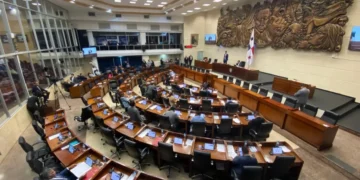
The hearing, part of the IACHR’s 193rd session, revealed growing concern among global observers regarding El Salvador’s democratic backsliding and increasing authoritarianism. The Salvadoran government, despite being invited, did not participate in the session—a move criticized by several IACHR commissioners.
Guzmán noted that those working to uncover human rights violations, corruption, and collusion between the government and criminal groups are increasingly targeted by the state. “There is now a concentration of power and political control over the judiciary, creating a legal vacuum that leaves the population unprotected,” she said.
The Attorney General’s Office has been accused of neglecting its constitutional duty to investigate crimes and instead turning a blind eye to rights abuses. Likewise, the Human Rights Ombudsman’s Office (PDDH) has reportedly failed to act independently and has even denied the existence of certain complaints, further exacerbating the climate of impunity.
Adding to these concerns, Angélica Cárcamo from the Central American Network of Journalists presented evidence of spyware surveillance. She said more than 30 journalists and activists had their devices infected with Pegasus spyware in 2022. Despite repeated appeals to the Attorney General’s Office for investigations, Cárcamo said no progress has been made—underscoring the persistent threats journalists face.
In her testimony, Cárcamo also referenced the closure of investigations into unlawful arrests by security forces and condemned the recently enacted Law on Foreign Agents (LAEX), which she said poses a “latent threat of criminalization” for those who report critically on state actions.
Marylaura Acuña of the Center for Justice and International Law (CEJIL) explained that LAEX imposes a 30% tax on funds received from abroad, plus additional levies, potentially consuming more than half of an organization’s income. She warned that this could force many civil society organizations to shut down or relocate their legal registration outside the country. Acuña cited the closure of Cristosal’s offices in El Salvador as an early consequence of the law, calling it a “tool of legalized repression.”
United Nations human rights official Roberto Desogus also criticized LAEX, highlighting its vague language, steep penalties, and the excessive powers it grants to administrative authorities. These flaws, he warned, could result in sweeping restrictions on freedom of expression and association.
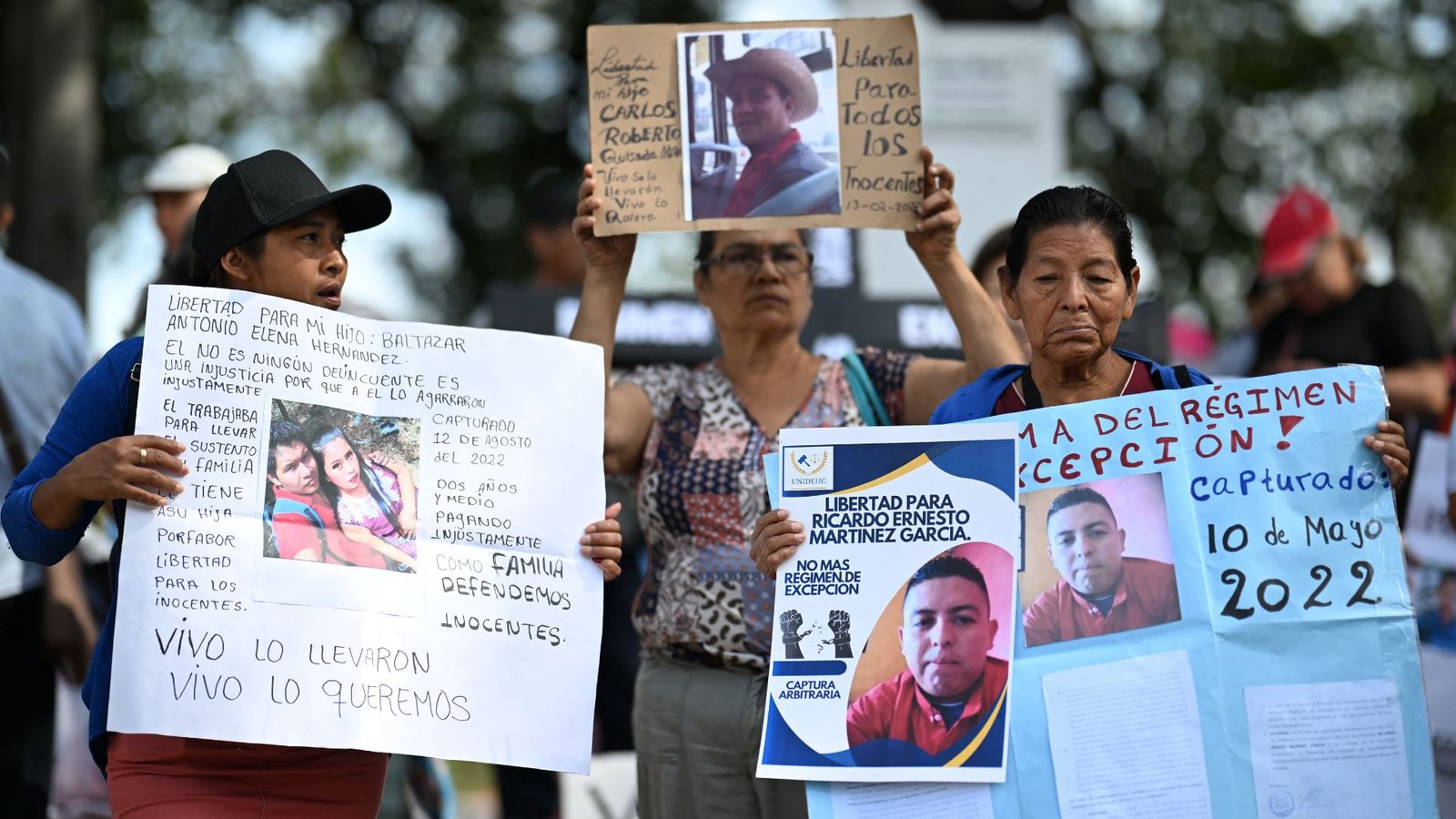
Another critical issue raised during the hearing was the erosion of judicial independence. Amnesty International’s Irene Cuéllar argued that legal institutions in El Salvador are being weaponized against critics of the government. Cuéllar pointed out the misuse of broad and ambiguous legal terms—such as “illicit association” or “terrorist organization”—to target defenders and journalists with no proven links to criminal networks.
At least 40 such cases have been documented, involving trade unionists, land rights advocates, and community leaders. The arrests of human rights defenders like Fidel Zavala and constitutional expert Enrique Anaya were cited as examples of arbitrary detention and denial of due process.
These testimonies paint a bleak picture of civil liberties in El Salvador, with observers warning that unchecked state power is threatening the very fabric of democracy. The human rights community is now urging the international community—including multilateral institutions and donor governments—to apply pressure on the Salvadoran state to uphold its constitutional and international obligations.
As exiled journalists and activists continue their work from abroad, and as organizations increasingly move operations outside the country, the broader question remains: Will civic space in El Salvador survive this era of repression—or will it require a global effort to restore it?