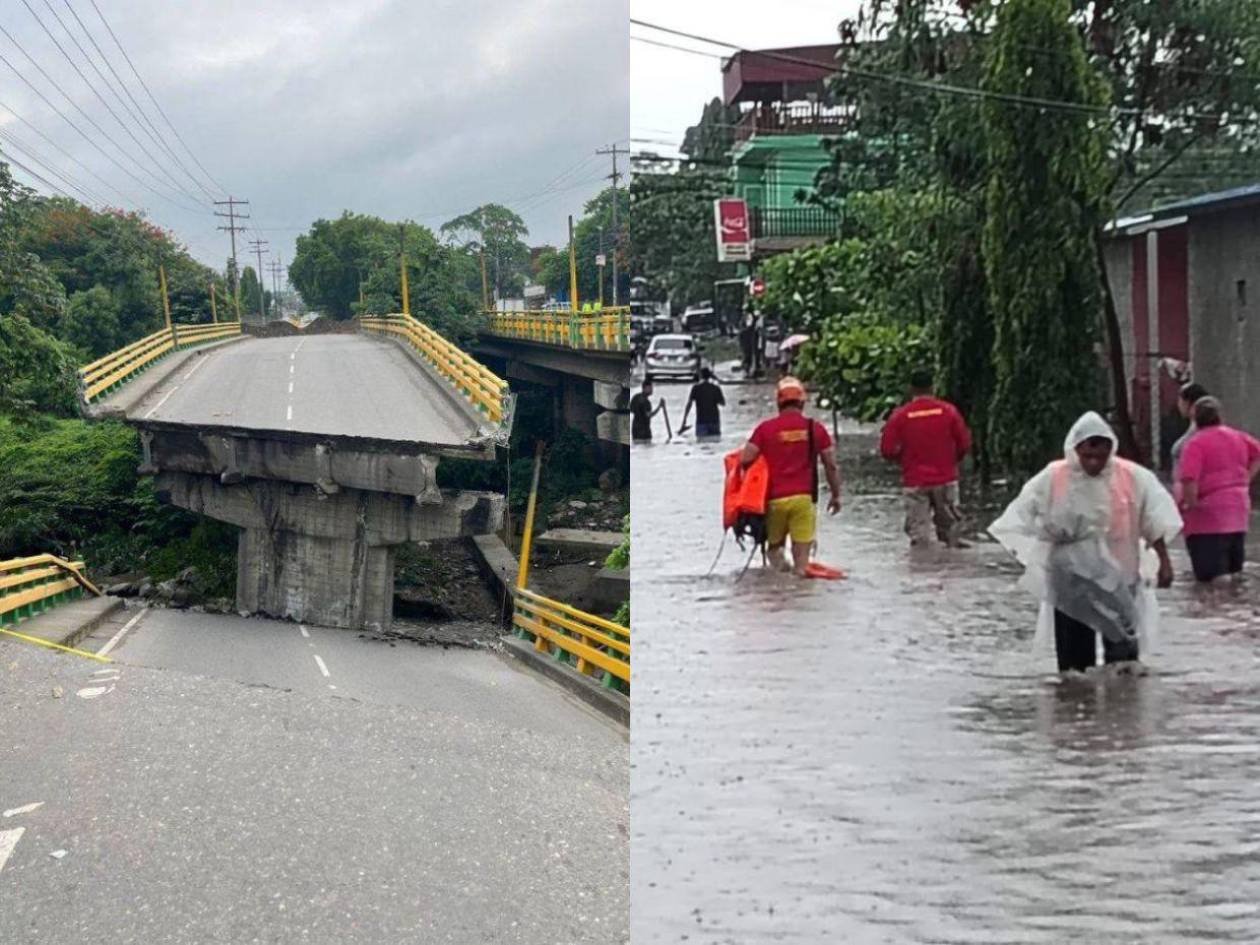




























































In a significant gesture of international solidarity, the European Union (EU) has announced a humanitarian aid package worth €150,000 (approximately $176,595 USD) to assist communities devastated by recent flooding in the department of Ocotepeque, located in western Honduras. The support comes in response to heavy rainfall recorded in June that caused widespread damage to infrastructure and displaced hundreds of families.
The emergency funds will directly benefit an estimated 5,000 people in flood-hit areas, providing critical relief as local authorities continue recovery efforts. According to a statement released by the EU Delegation in Tegucigalpa, the aid will be implemented by the Honduran Red Cross, which will oversee the distribution of safe drinking water, hygiene kits, water purification supplies, and disease prevention initiatives.
This contribution is being channeled through the International Federation of Red Cross and Red Crescent Societies’ (IFRC) Disaster Response Emergency Fund (DREF), a global mechanism designed to deliver fast and efficient humanitarian assistance in the wake of natural disasters and health emergencies.
The floods severely impacted the Ocotepeque region, damaging roads, isolating remote communities, and raising the risk of waterborne illnesses. With the local health system already under strain, the EU’s timely intervention aims to prevent outbreaks of diseases such as cholera, dengue, and leptospirosis—common in the aftermath of severe flooding due to stagnant water and poor sanitation conditions.
“This funding reflects the EU’s unwavering commitment to humanitarian assistance worldwide,” the statement said. “It seeks to save lives, reduce suffering, and preserve the dignity of those affected by disasters, regardless of where they occur.”
The European Union remains one of the largest humanitarian donors globally. Through its strategic partnership with the IFRC, the EU supports the DREF with a dedicated funding agreement worth €12 million ($14.2 million USD). The fund, established in 1979, enables National Red Cross and Red Crescent Societies to respond rapidly to emergencies without waiting for lengthy approval processes or external funding.
Honduras is highly vulnerable to climate-related disasters, including hurricanes, floods, and droughts. Experts warn that climate change is exacerbating the frequency and severity of such events, increasing the pressure on already fragile infrastructure and emergency response systems. In 2020, the country was battered by Hurricanes Eta and Iota, which affected millions and caused billions in damages. The latest flooding in Ocotepeque further underscores the need for sustained international collaboration and investment in disaster preparedness and climate resilience.
Local officials in Ocotepeque have welcomed the EU’s support, noting that it will help meet immediate needs while reinforcing community preparedness for future emergencies. The Honduran Red Cross, with its deep roots in local communities, is expected to mobilize quickly, prioritizing areas where people are still without clean water or proper shelter.
As climate-related emergencies continue to surge across Central America, the EU’s proactive role in global disaster response highlights the importance of multilateral cooperation and swift humanitarian action in protecting vulnerable populations.