



















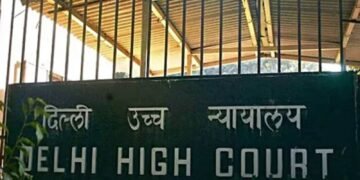



































In a dramatic legal turnaround nearly 19 years after one of India’s deadliest terror attacks, the Bombay High Court has acquitted all 12 men previously convicted in the 2006 Mumbai train bombings, which claimed 187 lives and injured more than 800 commuters. The ruling, handed down on Monday by a two-judge bench, overturned the 2015 convictions issued by a special anti-terror court that had sentenced five of the men to death and the remaining seven to life imprisonment. The High Court found that the prosecution had “utterly failed” to prove the guilt of the accused beyond reasonable doubt.
The judgment comes after years of appeals, delays, and scrutiny of the original trial. One of the men sentenced to death, Kamal Ansari, died of COVID-19 in prison in 2021, never seeing the outcome of the appeal. The prosecution is expected to challenge the acquittals in a higher court, possibly the Supreme Court of India.
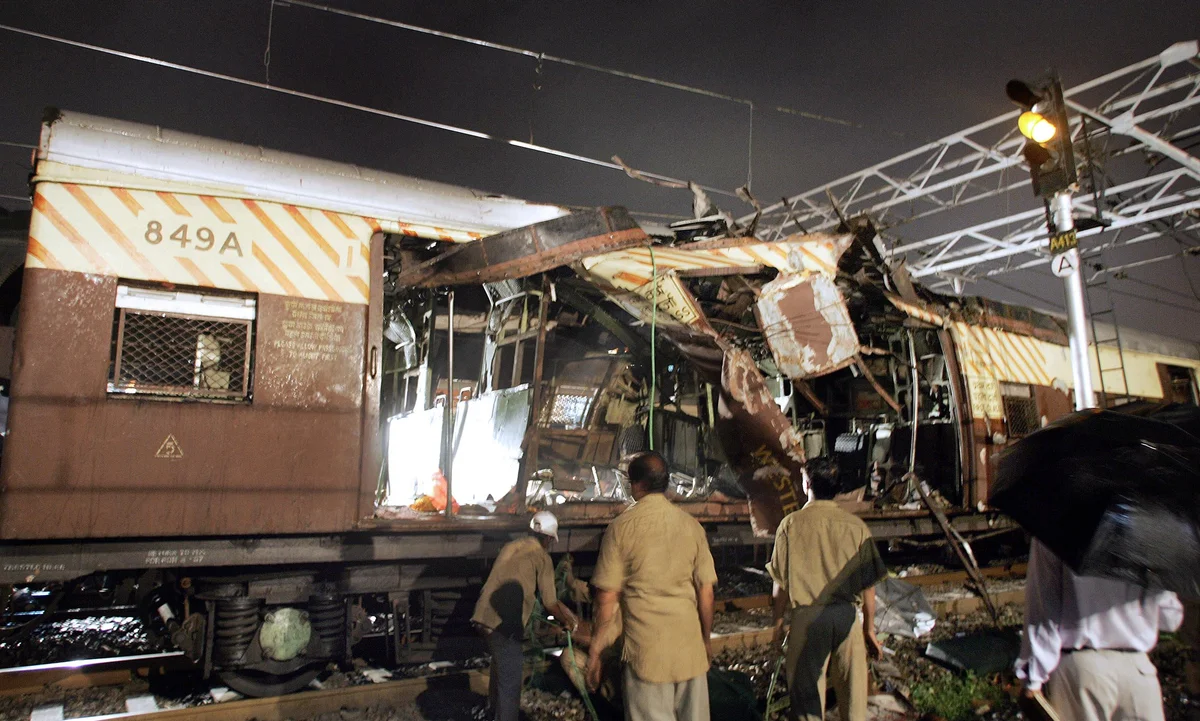
The horrific attacks occurred on the evening of July 11, 2006, when seven coordinated explosions tore through Mumbai’s suburban rail network during peak rush hour. The bombs, concealed in pressure cookers and placed in first-class compartments of local trains, detonated within six minutes of each other. The explosions struck various locations across the city’s vast Western Railway line, including Matunga, Mahim, Khar, Bandra, Jogeshwari, Borivali, and Mira Road. Eyewitnesses described scenes of chaos and carnage, with train coaches ripped apart and bodies strewn across the tracks. Many of the victims were white-collar workers returning home from Mumbai’s bustling financial district.
Indian intelligence agencies swiftly attributed the attack to Pakistan-based Islamist group Lashkar-e-Taiba, allegedly aided by members of the banned Students Islamic Movement of India (SIMI). Pakistan has consistently denied any involvement. The accused were arrested in the months following the attack and held in custody throughout the legal proceedings. The case relied heavily on confessional statements and forensic evidence, which the defence later challenged as flawed or mishandled. In 2015, after nearly a decade of trial proceedings, the special court found all 12 men guilty of murder, criminal conspiracy, and waging war against the state. However, from the beginning, defence lawyers and civil rights groups questioned the strength of the evidence. They argued that many of the confessions were extracted under duress and that the prosecution failed to establish a direct link between the accused and the bombings.
In July 2024, the Bombay High Court assigned a special two-judge bench to expedite the long-pending appeals. Over six months, the bench held more than 75 hearings, during which it reviewed testimony from 92 prosecution witnesses and over 50 defence witnesses. In its 667-page judgment, the High Court highlighted major inconsistencies in the prosecution’s case. It questioned the credibility of key witnesses, the chain of custody of critical forensic evidence, and the validity of confessional statements. The court noted that evidence presented during the original trial was not kept sealed, raising doubts about possible tampering. It also found that the accused had been denied fair legal processes in some instances, adding weight to the defence’s contention of procedural lapses.
The decision to overturn the convictions could have far-reaching implications for how India handles complex terror investigations and trials, especially those reliant on confessions and circumstantial evidence. The acquittals have been met with mixed reactions. Families of the victims have expressed shock and anguish over the verdict, calling it a miscarriage of justice. “We waited for years for justice. Now it feels like everything was for nothing,” said Rahul Desai, who lost his father in the blasts. On the other hand, human rights advocates and legal scholars hailed the ruling as a reaffirmation of due process and the importance of fair trials. “This is not a verdict that says the bombings didn’t happen. It is a verdict that says these 12 men were not proven to be the ones who did it,” said Supreme Court lawyer Vrinda Grover.
The case also raises difficult questions about the treatment of minority suspects in terror cases and the reliability of confessions obtained in police custody. The Central Bureau of Investigation (CBI) and Maharashtra Anti-Terrorism Squad (ATS), which spearheaded the original probe, are now under pressure to explain how a case once deemed airtight has unraveled so completely. With the acquittals, families of the accused — many of whom have spent nearly two decades fighting to clear their loved ones’ names — are calling for accountability from the law enforcement agencies. “This was not just a legal error. It was a human tragedy. Innocent men lost the best years of their lives behind bars,” said Faizan Sheikh, the brother of one of the acquitted men.
Legal experts say the prosecution still has the option to appeal to the Supreme Court of India, which would be the final arbiter in the case. Until then, the ruling remains a watershed moment in the country’s judicial history and a cautionary tale of how justice delayed and misdirected can affect countless lives — both of the victims and the wrongly accused.