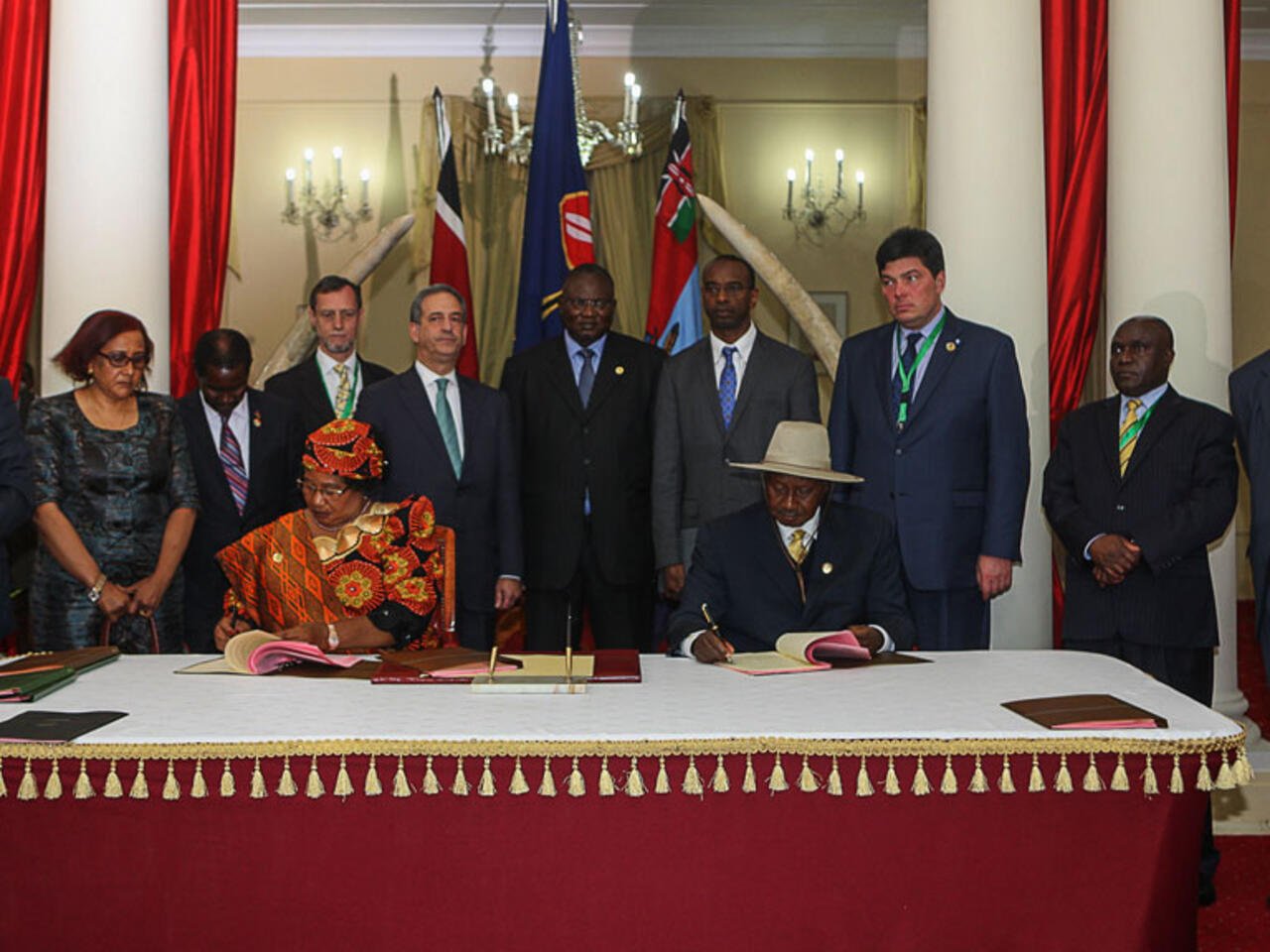








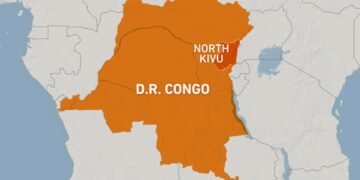











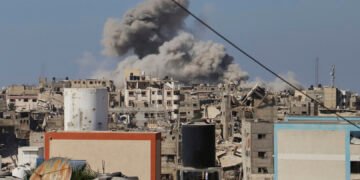





















In a move aimed at halting years of bloodshed and displacement, the Democratic Republic of Congo (DRC) has signed a peace agreement with the M23 rebel group. The deal, signed in Doha, Qatar, lays out a framework for ending hostilities in the country’s war-torn eastern provinces. However, experts and civil society leaders in North Kivu have voiced strong doubts about the sustainability of the accord, citing past failures and unresolved tensions.
The agreement, known as a “Declaration of Principles,” was finalized on July 19, 2025, and includes key provisions such as a ceasefire, respect for national sovereignty, protection of civilians, and the return of displaced populations. It was signed under the mediation of the Qatari government, with support from international stakeholders including the United Nations and African Union.
While the deal marks a rare diplomatic breakthrough in a conflict that has displaced millions and left thousands dead, many in the region remain sceptical. Analysts argue that without firm commitments to demobilisation, justice, and accountability, the peace process could unravel—just as it has in previous attempts to end the M23 insurgency.
The M23 (March 23 Movement) is a Tutsi-led armed group that re-emerged in 2021 after years of dormancy. Backed by alleged Rwandan support—a claim Rwanda has repeatedly denied—the group has seized territory in the North Kivu province, including towns close to the strategic city of Goma.
Under the new agreement, M23 is expected to halt military operations and participate in a political dialogue with Kinshasa. However, specific timelines for the withdrawal of rebel forces from occupied areas remain vague, a concern that has been flagged by local observers.
“The people of North Kivu have seen too many of these deals come and go,” said Félicien Kabamba, a peace building advocate based in Goma. “What we need is implementation, not signatures.”
Scepticism in North Kivu stems from a long history of broken peace accords and the complex web of actors involved in the eastern Congo conflict. The region has been the epicenter of multiple rebel insurgencies since the 1990s, with armed groups vying for control of lucrative mineral resources and strategic trade routes.
Many residents in the region question the sincerity of M23’s leadership, who have previously used peace talks to regroup and strengthen their military capabilities. They also doubt the DRC government’s capacity to restore effective governance and public services in areas previously held by rebels.
“There is no justice without accountability,” said Jeanne Malu, a community organiser in Rutshuru. “If the government keeps negotiating without holding perpetrators accountable, we will continue to live in fear.”
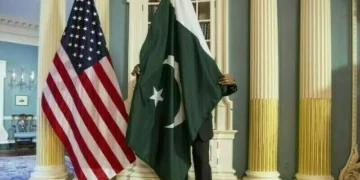
This latest peace initiative follows mounting pressure on the DRC and its neighbors to find a durable solution to the conflict. In June 2025, the United States and Qatar helped broker a broader regional peace framework between the DRC and Rwanda, aimed at reducing tensions and halting the alleged flow of arms and fighters across the border.
The Qatar-led initiative that culminated in the July 19 declaration is being hailed by diplomats as a “first step” toward lasting peace. Yet, observers warn that success will depend on continued monitoring, transparency, and the involvement of local communities in the peace process.
The United Nations and African Union have pledged to assist with disarmament programs and the reintegration of former combatants. Still, the sheer scale of the humanitarian crisis in eastern Congo—where more than 6 million people remain displaced—presents enormous challenges.
The ceasefire is scheduled to take effect by the end of July, with formal negotiations expected to begin in early August. The talks will cover key issues such as disarmament, political integration, justice mechanisms, and reconstruction of war-affected regions.
Critics argue that unless these talks address the root causes of the conflict—ethnic tensions, resource exploitation, and weak governance—the peace deal may prove short-lived.
“Peace is more than stopping gunfire,” said Jean-Claude Mulumba, a North Kivu university professor and conflict resolution expert. “It’s about building trust, healing wounds, and creating opportunities so that young people don’t see a gun as their only path forward.”
As the DRC prepares for upcoming national elections and continues to manage internal instability, the peace agreement with M23 will be a critical test of political will, regional cooperation, and the resilience of a population long battered by war.