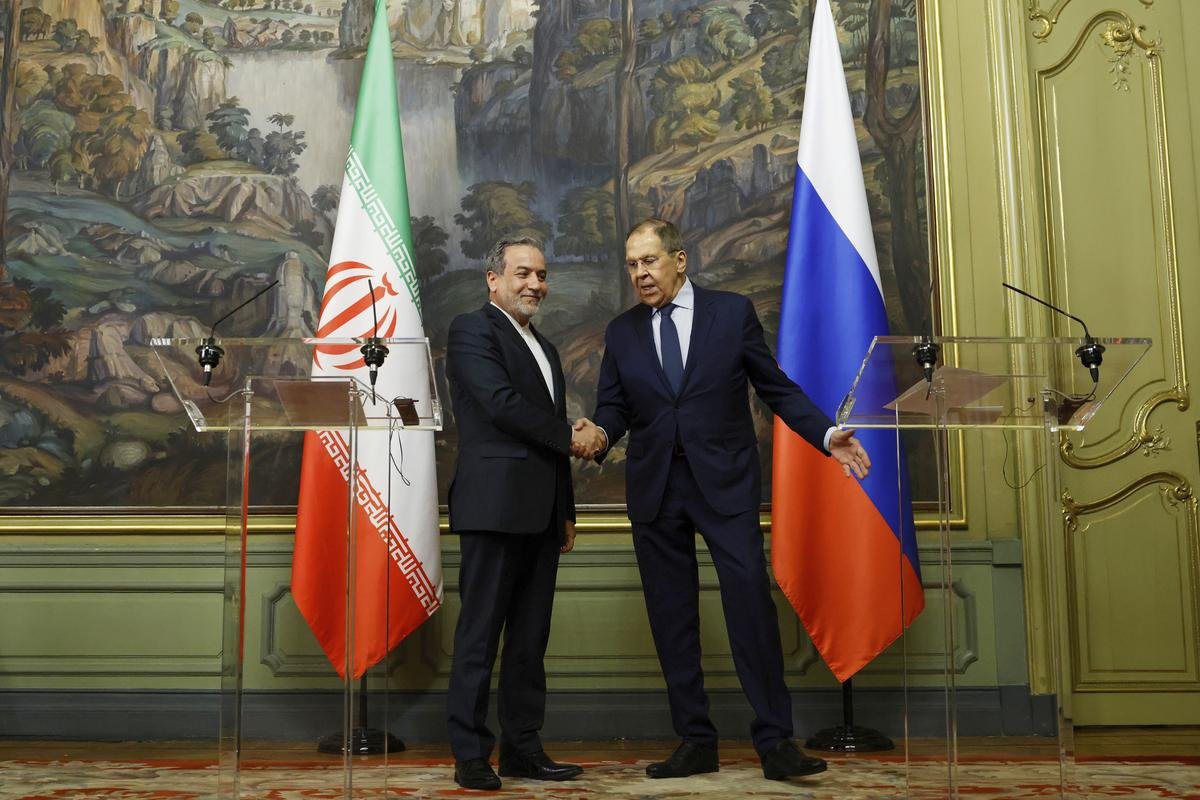









































In a significant diplomatic move, Iran is set to meet with Russia and China on Tuesday for strategic consultations regarding its nuclear program and the looming threat of sanctions. The trilateral discussions come just days ahead of critical negotiations with France, Germany, and the United Kingdom — collectively known as the E3 — scheduled to take place in Istanbul on Friday.
Iranian Foreign Ministry spokesperson Esmail Baghaei announced on Monday that the discussions with Beijing and Moscow aim to strengthen coordination before facing Western powers. “This is part of our continuous effort to prevent the reactivation of sanctions under the 2015 nuclear deal,” Baghaei stated, referring to the agreement formally known as the Joint Comprehensive Plan of Action (JCPOA).
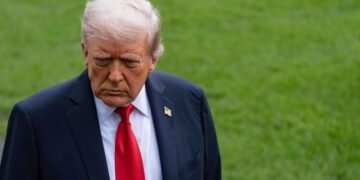
The JCPOA, originally signed in 2015, was designed to curb Iran’s nuclear ambitions in exchange for sanctions relief. However, the deal began to unravel in 2018 when the United States, under President Donald Trump, unilaterally withdrew and reimposed sweeping economic sanctions on Tehran. Since then, Iran has steadily increased its nuclear enrichment activities — now reaching 60% purity — edging closer to the 90% threshold required for weapons-grade material.
This surge in nuclear activity has prompted France, Germany, and the UK to consider invoking the JCPOA’s “snapback” clause — a mechanism that would automatically restore UN sanctions if Iran is found in breach of the agreement. The E3 nations have set an informal deadline at the end of August to see meaningful progress, warning that inaction could trigger a formal sanctions response.
Iran, however, has dismissed the legitimacy of any such move. In a strongly worded letter to UN Secretary-General António Guterres, Iranian Foreign Minister Abbas Araghchi accused the European parties of failing to uphold their commitments and declared that they “lack any legal, political, and moral standing” to trigger the snapback mechanism.
Baghaei reinforced this message during Monday’s briefing, adding, “The European parties have shown negligence in implementing the deal. Instead of threatening Iran, they should fulfill their own obligations.” He also confirmed that Iran has “no plans” to reopen negotiations with the United States under the current conditions, signaling continued diplomatic resistance to Washington’s role in nuclear diplomacy.
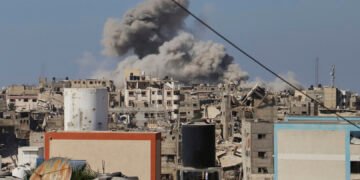
The upcoming talks in Istanbul will mark the first formal nuclear discussions since a devastating conflict between Israel and Iran erupted in June. That 12-day confrontation left nearly 1,100 Iranians dead, including several high-ranking military officials and nuclear scientists, following coordinated Israeli strikes and U.S.-led attacks on key Iranian nuclear sites. In contrast, 28 civilians were killed in Israel during the conflict.
These events have added further urgency to the already strained nuclear negotiations. Iran maintains that its nuclear program is strictly for peaceful purposes — a claim viewed with skepticism by many in the West. “The agenda is clear,” Baghaei said. “We want the complete removal of sanctions and a fair discussion on Iran’s peaceful nuclear capabilities.”
Iran’s strategic relationship with Russia and China remains a cornerstone of its foreign policy, particularly as it faces mounting pressure from Western governments. Both Moscow and Beijing have historically supported Iran’s position on nuclear non-proliferation, and have opposed unilateral sanctions by the U.S. and its allies.
Notably, Iran has also deepened its military cooperation with Russia, supplying Moscow with its domestically manufactured Shahed-series suicide drones — weapons that have been widely used in the ongoing war in Ukraine. This growing alliance has drawn international criticism and further complicated Iran’s relations with Western governments.
As the clock ticks toward Friday’s nuclear talks, all eyes are on Istanbul. The outcome could determine whether the fragile nuclear agreement can be salvaged, or if the region is heading toward a new chapter of confrontation and intensified sanctions.
With geopolitical alliances hardening and military tensions escalating, Iran’s meeting with China and Russia could set the tone for what may be one of the most consequential diplomatic showdowns of the year.