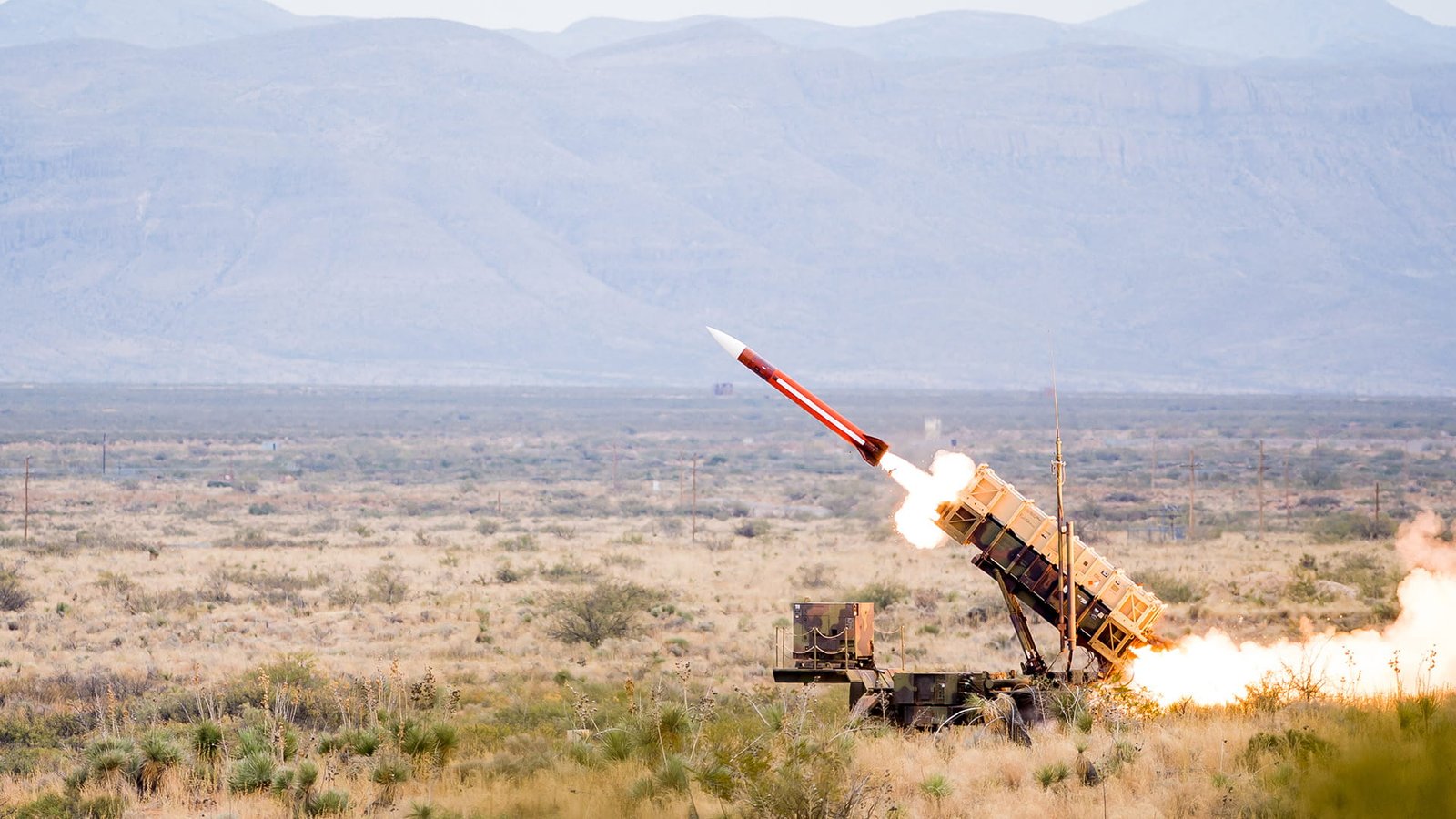




























































In a significant development aimed at bolstering Ukraine’s defense capabilities, the United States and Germany have jointly agreed to deliver five additional Patriot air defense systems to Ukraine, according to an announcement by German Defence Minister Boris Pistorius. The deal, struck during the 29th Ukraine Defence Contact Group meeting, comes at a critical juncture as Russian forces intensify their aerial bombardment campaign across Ukraine, particularly targeting urban centers with ballistic and cruise missiles.
Minister Pistorius confirmed that he reached the agreement with U.S. Defense Secretary Pete Hegseth during his recent diplomatic trip to Washington. The Patriot systems—highly advanced, U.S.-made missile interceptors capable of neutralizing a broad range of aerial threats—are regarded as essential for defending Ukraine against Russia’s escalating missile and drone attacks.
The latest strikes by Russian forces, which occurred overnight into Monday, targeted Kyiv and resulted in at least one fatality and six injuries, according to Ukrainian officials. Fires were reported in residential neighborhoods, a children’s daycare center, metro infrastructure, and outdoor commercial kiosks, highlighting the growing civilian toll of Russia’s long-range attack strategy.
This announcement follows a major shift in U.S. policy under President Donald Trump, who recently reversed a brief pause in military aid and confirmed that advanced weapons—including Patriot systems—would be supplied to Ukraine via NATO mechanisms. “We’re going to be sending Patriots to NATO and then NATO will distribute that,” Trump told CBS News on July 11, noting that NATO would cover the cost of the defense systems. This statement signaled a renewed commitment by the U.S. administration to support Ukraine’s sovereignty amid ongoing Russian aggression.
President Volodymyr Zelenskyy, speaking at the Ukraine Recovery Conference in Rome last week, praised the international backing. He confirmed that Germany would fully finance two of the systems and that Norway has pledged one more. Norwegian Prime Minister Jonas Gahr Støre reaffirmed his country’s commitment on Monday, stating that Norway is prepared to co-finance additional Patriot units if necessary. As one of NATO’s founding members, Norway has already pledged F-16 fighter jets and committed to a $7 billion aid package spread over five years.
With this latest development, Ukraine is set to receive additional systems on top of the existing deliveries. Washington has already transferred three Patriot batteries to Ukraine, while Germany has also delivered three of its own. A further battery was contributed by a European defense coalition. However, some of these systems are currently out of operation due to required maintenance rotations, limiting Ukraine’s full defensive coverage during critical periods.
In a further twist, Switzerland announced on July 17 that a previously agreed U.S. sale of Patriot missile systems to the Swiss military has been delayed, with the U.S. Department of Defense indicating that the systems will be redirected to support Ukraine. The delivery, originally scheduled for 2027–2028, could now be used either directly in Ukraine or as replacement units for European allies reallocating systems to Kyiv. The Swiss government stated that it had yet to be informed of how many units would be impacted by this diversion.
The Patriot missile system, a cornerstone of NATO’s modern air defense architecture, is uniquely suited to intercepting high-end threats like ballistic missiles—a weapon class increasingly used by Russia in its air campaigns. As Russia pushes forward with its summer offensive and launches near-daily barrages of drones and missiles, Ukraine’s reliance on these systems has grown more urgent.
Military analysts have warned that without continued replenishment and operational readiness of such systems, Ukrainian cities remain highly vulnerable to Russian air attacks, especially as Russian forces aim to exploit gaps in Ukraine’s layered defenses.
Coordination among NATO allies and other defense partners is expected to intensify in the coming days to manage the complex logistics of Patriot system deployment, maintenance, and operator training. Each system requires a specialized crew and maintenance regimen, posing additional challenges amid Ukraine’s ongoing war footing.
As Ukraine’s war with Russia enters its fourth year, the urgency to enhance its air defense shield is now more apparent than ever. The joint commitment by Germany and the United States to deliver more Patriot systems reflects a renewed Western resolve to ensure that Ukraine remains capable of defending its skies in the face of relentless aerial assault.