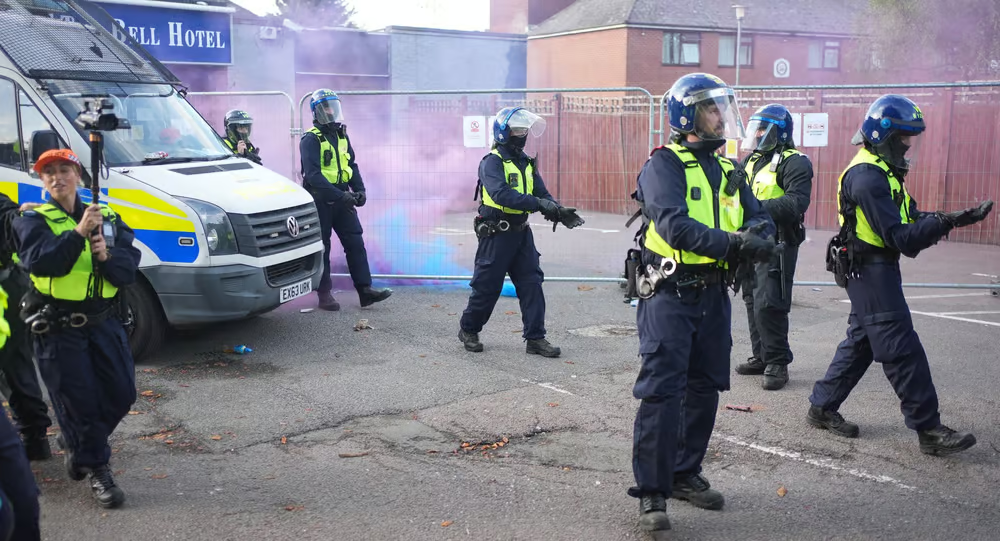



























































Protests outside the Bell Hotel in Epping, Essex, escalated into violent disorder over the weekend, with bottles and smoke flares hurled at police vehicles amid mounting tensions over the housing of asylum seekers at the site.
More than 1,000 demonstrators gathered near the hotel on Sunday evening, many traveling from across the UK to attend the protest, which was organised following the arrest of an asylum seeker last week in connection with alleged sexual assaults. Essex Police confirmed one arrest was made on Sunday evening and emphasized that the situation remains under close monitoring.
The unrest is the latest in a series of volatile demonstrations at the Bell Hotel, which has been used to accommodate asylum seekers under the UK Home Office’s temporary housing arrangements. Tensions flared following the arrest of 38-year-old Hadush Gerberslasie Kebatu, an asylum seeker who was charged with sexual assault after allegedly attempting to kiss a 14-year-old girl in the town. He has denied the charge in Chelmsford Magistrates’ Court.
Sunday’s demonstration began around 6:00 p.m. BST and quickly turned chaotic. Protesters were seen chanting slogans such as “send them home” and “save our kids” while launching projectiles at police vans positioned at the hotel’s entrance. A heavy police presence had been deployed in anticipation of disorder, with officers donning riot gear and maintaining a perimeter around the hotel.
The demonstration was marred by scenes of aggression, with one counter-protester — an elderly woman — being surrounded by masked demonstrators. Police swiftly intervened, escorting her from the scene while she was subjected to verbal abuse by some in the crowd.
Essex Police implemented a Section 60AA order ahead of the protest, granting officers the authority to require the removal of face coverings. The order, originally enacted after Thursday’s violent protests, remains in effect until Monday to prevent further unrest. During Thursday’s incident, eight police officers were injured, and multiple arrests were made, including one man now charged with violent disorder and criminal damage.
In a statement, Essex Police emphasized their commitment to protecting public safety while upholding the right to peaceful protest. “The right to peaceful protest is protected by law and allows everyone freedom of expression, but this must be done respectfully,” a police spokesperson said. “We will deal robustly and quickly with anyone intent on coming into Epping to commit selfish criminal behaviour.”
Photos from the scene captured a mix of slogans, anger, and political symbolism. Protesters held handmade banners with messages such as “Make Epping Safe Again” and “I’m not far right, I’m worried about my kids,” often accompanied by English flags and heart symbols. Some participants climbed onto vehicles, while others lit smoke flares, casting plumes of blue into the sky.
The protests have reignited broader national debates about the UK’s asylum system and the growing use of hotels to house migrants awaiting decisions on their claims. Critics argue that placing asylum seekers in small towns without local consultation stokes tensions and burdens public services, while rights groups warn that the government’s approach has left vulnerable people exposed to hostility and violence.
In recent months, the Home Office has increasingly relied on hotels to house asylum seekers due to a backlog in processing cases. This strategy has drawn criticism from both local communities and refugee advocacy groups. Communities such as Epping — previously considered quiet commuter towns — have become flashpoints in the national conversation on migration.
Meanwhile, political figures from across the spectrum have weighed in. Local councillors have called for more transparency from central government, while refugee organizations have urged restraint and compassion amid rising anti-migrant sentiment. The government has insisted that housing asylum seekers in hotels is a temporary measure while longer-term solutions are developed.
As the situation in Epping remains tense, authorities are bracing for further demonstrations in the coming weeks. Law enforcement officials continue to monitor online chatter for signs of future gatherings and have not ruled out further arrests.
Essex Police have called for calm and urged residents to refrain from taking matters into their own hands. “We understand there are strong feelings,” the police spokesperson added, “but our focus is on maintaining public safety and ensuring that any protest remains within the law.”
The Bell Hotel, once a quiet suburban lodging, has now become a symbol of the UK’s increasingly polarised immigration debate. As local communities, law enforcement, and government officials navigate the aftermath of these clashes, the need for national dialogue and effective, humane immigration policy has never been more urgent.