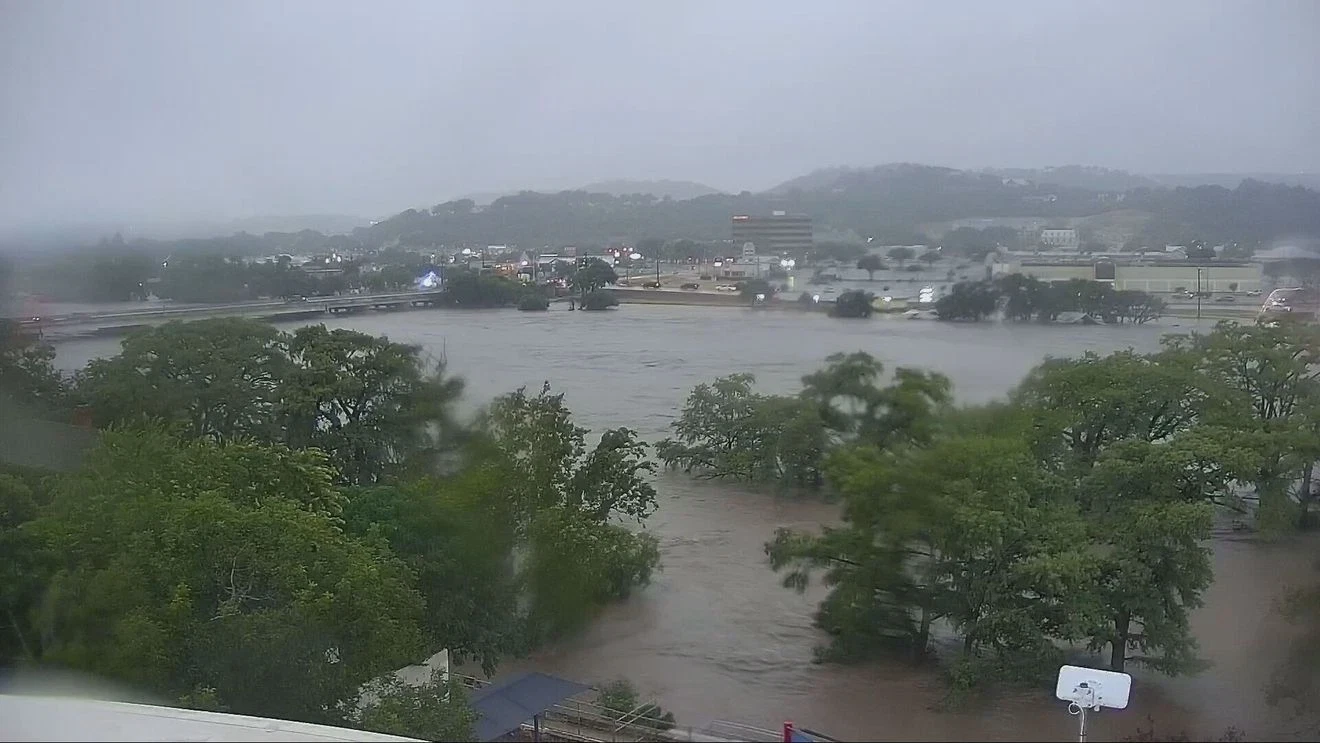




























































The number of people still unaccounted for in flood-ravaged Kerr County, Texas, has dramatically dropped to just three, local officials confirmed on Saturday, down from an alarming 97 reported missing earlier in the week. This significant update comes as authorities intensify efforts to recover and identify those impacted by the catastrophic July 4 floods that swept through Central Texas’ Hill Country region.
The revised figures reflect the results of an ongoing, multi-agency search and verification effort involving more than 1,000 personnel from local, state, and federal agencies. Many of the previously listed “missing” individuals were later confirmed safe — some were out-of-town visitors who failed to check in with concerned relatives, while others may have been reported erroneously in the chaos of the disaster.
“Many individuals who were initially reported as missing have been verified as safe,” Kerrville officials said in a public statement. Despite this encouraging news, authorities emphasized that the search is far from over for those who still remain unaccounted for.
The flooding, caused by an unprecedented overnight rise in the Guadalupe River, remains one of the deadliest natural disasters in Texas in recent memory. At least 135 people have died across the state as a result of the storm system, with Kerr County alone accounting for 107 of those fatalities — making it the epicenter of the disaster.
“We are profoundly grateful to the more than 1,000 local, state, and federal authorities who have worked tirelessly in the wake of the devastating flood that struck our community,” said Kerrville City Manager Dalton Rice. “The impact of this tragedy will be felt for years, but our resilience will define our recovery.”
The floods struck in the early hours of July 4, catching many off guard as the Guadalupe River surged by as much as 30 feet in a matter of hours. The Hill Country region, known for its scenic beauty and popular summer camps, turned into a scene of chaos and destruction. Victims included families vacationing in recreational vehicles, local residents whose homes were swept away, and campers from a local girls’ summer camp.
Among those still awaiting closure are Sherry McCutcheon and Terry Traugott, sisters from Leander, Texas. They’ve already learned that their mother and brother died in the flooding, but their second brother, Gary Traugott, remains missing.
“I can’t stand it that Gary is laying out there by himself, on the ground or in that water,” said Ms. Traugott. “We can’t have funerals for two when there are three.”
Their story is echoed by many families still living in uncertainty, as search-and-rescue teams continue to comb through flood debris, riverbanks, and wooded areas in the region.
This event has also reignited public concerns about Texas’ emergency alert infrastructure. Many residents claim they received little or no warning before the waters surged, and local officials have been criticized for not implementing a more effective emergency notification system. While state and federal agencies have deflected criticism, calls for a comprehensive review of disaster readiness are growing louder.
The unpredictability of natural disasters often means the number of missing fluctuates dramatically in the days and weeks that follow. A similar pattern occurred during the Maui wildfires in 2023, where an initial missing persons count of over 1,100 eventually dropped to just two, months after the event.
Kerrville Mayor Joe Herring Jr. reaffirmed the city’s commitment to continue the search for those still missing. “Our thoughts remain with the families still awaiting news, and we will continue to stand with them as efforts persist,” he said.
As Texas recovers from the worst of the flooding, the focus now turns to rebuilding — both physically and emotionally. For many families, the scars of this tragedy will take far longer to heal than the floodwaters did to recede.