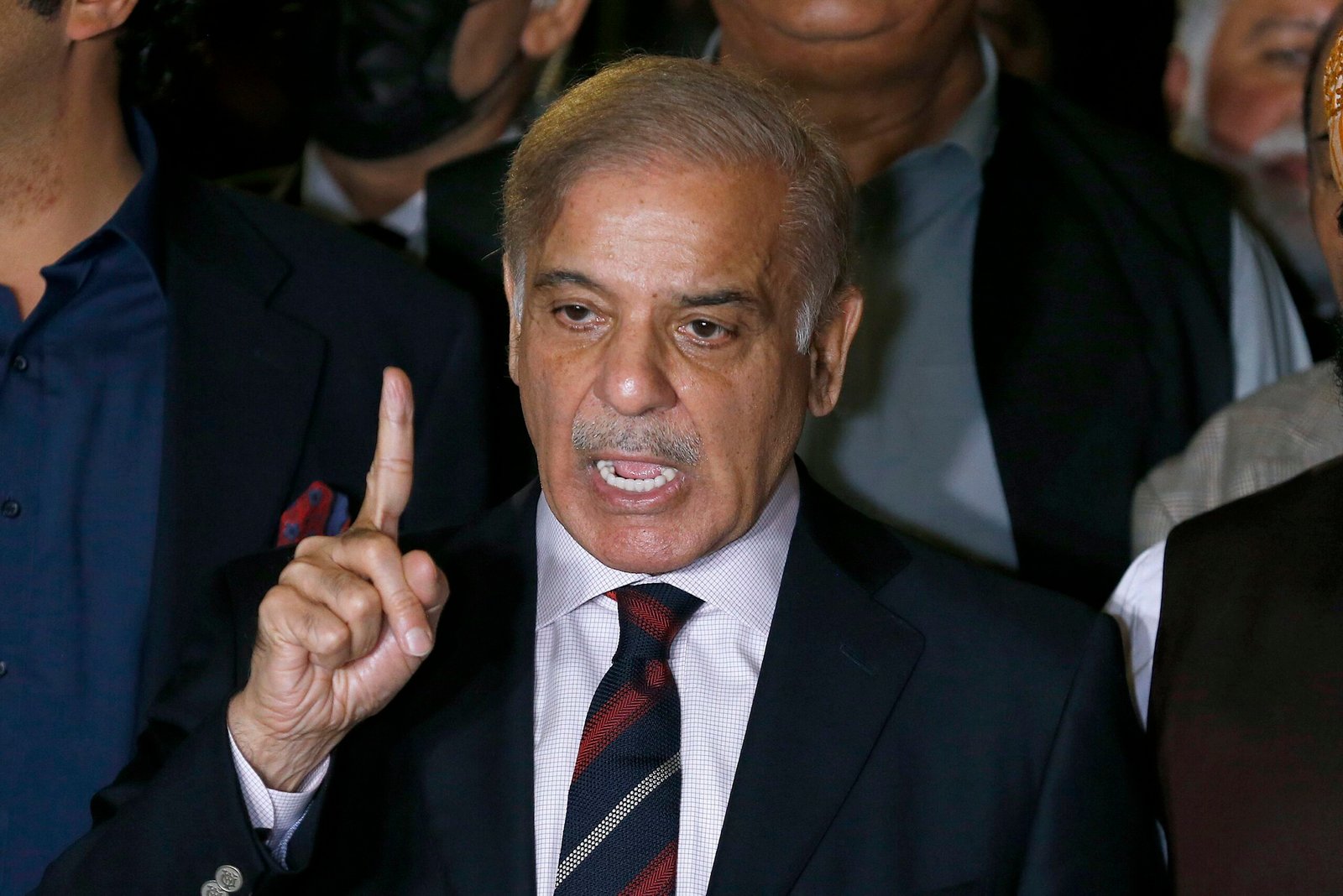




















































Prime Minister Shehbaz Sharif has reiterated Pakistan’s firm stance that a peaceful resolution of the Kashmir dispute, in line with United Nations Security Council (UNSC) resolutions, is essential for ensuring lasting peace and protecting the fundamental rights of the Kashmiri people.
In a message commemorating Kashmir Accession Day—observed annually on July 19—Sharif emphasized that the future of regional stability hinges on justice and self-determination for the people of Jammu and Kashmir. “The peaceful resolution of the Jammu and Kashmir dispute, in accordance with the United Nations Security Council resolutions and the aspirations of the Kashmiri people, is the only guarantee of peace in South Asia,” he stated.
He reaffirmed that Pakistan will continue to provide unwavering political, moral, and diplomatic support to the Kashmiri people in their struggle for self-determination. “Our commitment to the Kashmiri cause remains unshaken. The government and people of Pakistan stand in complete solidarity with our Kashmiri brothers and sisters in their just struggle,” the prime minister said.
Kashmir Accession Day marks a pivotal moment in the history of the region. On July 19, 1947, the All Jammu and Kashmir Muslim Conference, a political party representing the Muslim majority of the princely state, passed a resolution in Srinagar calling for accession of Jammu and Kashmir to Pakistan. This decision came just weeks before the Partition of British India and has remained a symbol of the region’s contested identity and political future.
The prime minister’s statement comes amid ongoing tensions in Indian-administered Kashmir, particularly following New Delhi’s revocation of Article 370 in August 2019, which stripped the region of its special constitutional status. Since then, the region has witnessed a heavy security clampdown, restrictions on civil liberties, and widespread detentions, drawing international concern and condemnation from Pakistan.
Sharif’s remarks align with Pakistan’s longstanding diplomatic position that the Kashmir issue must be resolved through dialogue and international mediation, rather than unilateral actions. Islamabad continues to urge the international community to play a more active role in facilitating dialogue between India and Pakistan, especially given the nuclear capabilities of both nations and the volatility that the Kashmir issue continues to provoke.
Pakistan has consistently raised the issue at major global forums, including the United Nations General Assembly and the Organisation of Islamic Cooperation (OIC), highlighting alleged human rights violations in Indian-administered Kashmir and advocating for a plebiscite under UN supervision.
Observers note that while diplomatic statements and symbolic days like Kashmir Accession Day serve to keep the issue alive in public consciousness, substantive progress remains elusive. The geopolitical complexities of South Asia, alongside shifting global alliances, make a peaceful resolution increasingly difficult—but no less critical.
As tensions continue to simmer, Prime Minister Sharif’s message serves as a reminder that peace, prosperity, and progress in the region will remain out of reach until the aspirations of the Kashmiri people are acknowledged and addressed on the world stage.