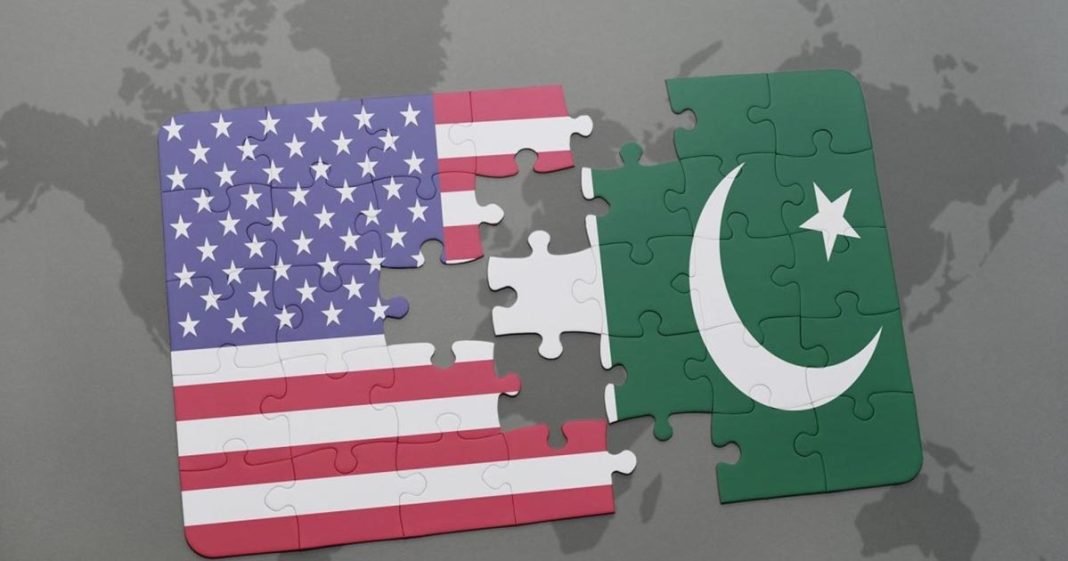
















































Finance Minister Muhammad Aurangzeb is currently visiting the United States with a clear mission: to enhance economic cooperation and secure broader trade agreements that can bolster Pakistan’s key export sectors and emerging industries. His trip comes amid critical negotiations with American officials and growing geopolitical interest in Pakistan’s economic revival.
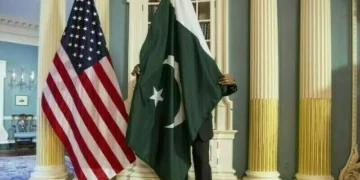
According to a statement from Pakistan’s Ministry of Finance, Aurangzeb held “productive” discussions in Washington, D.C., with U.S. Secretary of Commerce Howard Lutnick and United States Trade Representative Ambassador Jamieson Greer. These high-level talks are seen as a continuation of earlier negotiations held this month that laid the groundwork for a potential bilateral trade agreement.
While a formal deal has yet to be signed, both sides reportedly expressed satisfaction with the pace and tone of the discussions. A conclusive announcement may be forthcoming once the United States finalizes similar arrangements with other international partners. The finance ministry noted that both countries reaffirmed their commitment to strengthening commercial ties and exploring new avenues for cooperation.
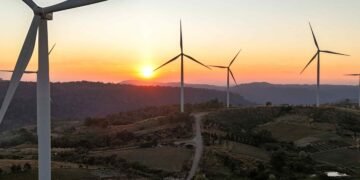
Aurangzeb highlighted the United States’ position as Pakistan’s largest trading partner and stressed the importance of diversifying economic collaboration. Beyond the traditional textile and manufacturing sectors, Pakistan is seeking greater U.S. investment and partnership in technology, information services, renewable energy, agriculture, and critical mineral extraction — sectors that are vital to the country’s long-term economic stability.
“The finance minister underscored Pakistan’s growing interest in non-traditional sectors such as the tech industry, agriculture innovation, and mining, emphasizing the mutual benefits of deeper integration in these areas,” the statement read.
U.S. officials were reportedly optimistic about the trajectory of ongoing negotiations, noting that enhanced trade relations could bring substantial benefits to both economies. As global supply chains shift and nations look for strategic partners in South Asia, Pakistan’s role as a regional economic gateway is receiving renewed attention in Washington.
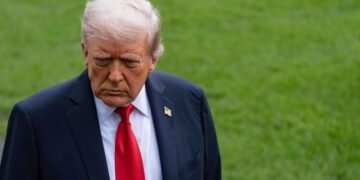
The meeting also follows a significant development in bilateral relations: former U.S. President Donald Trump hosted Pakistan’s Chief of Army Staff, Field Marshal Asim Munir, at the White House last month. The unprecedented visit drew attention across diplomatic circles. Trump reportedly praised Pakistan’s counterterrorism efforts and reiterated the importance of stability in South Asia.
Further strengthening the bilateral economic connection, April saw the Pakistan Crypto Council announce a partnership with World Liberty Financial — a decentralized finance platform backed by Trump — to expand blockchain technology and cryptocurrency adoption in the region. This partnership signals growing international confidence in Pakistan’s fintech potential, especially in light of evolving global interest in digital economies.
As Pakistan seeks to stabilize its economy amid ongoing inflationary pressures, external debt burdens, and a complex geopolitical environment, expanded trade with the U.S. is seen as a critical pillar of its economic recovery. Aurangzeb’s trip, therefore, is more than a diplomatic gesture — it’s a strategic push to position Pakistan as a competitive and forward-looking partner in global trade and investment.