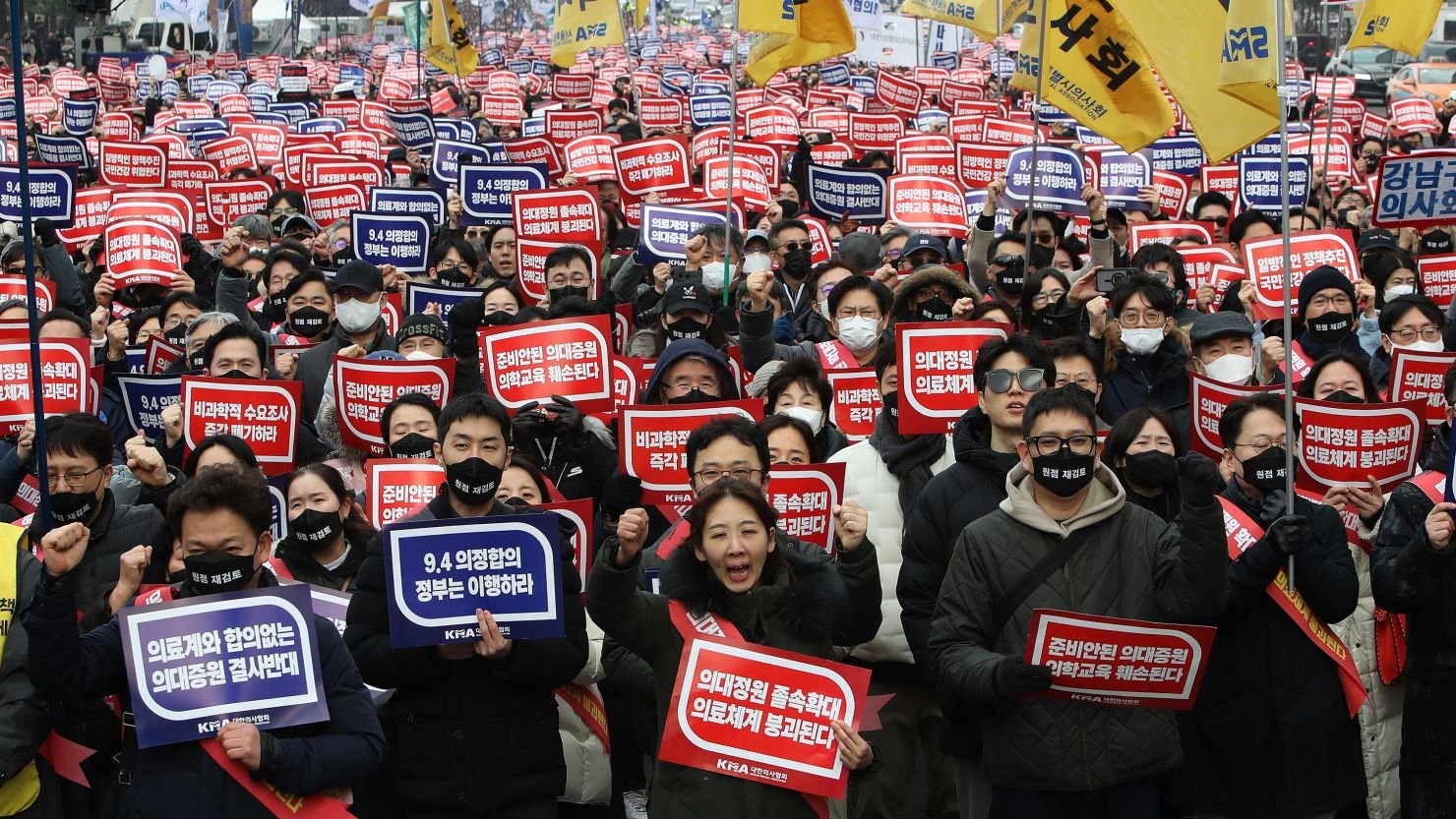















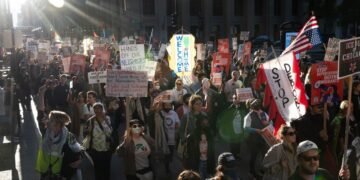



























South Korea is bracing for a major disruption in its healthcare system as a nationwide union representing medical workers announced plans to stage a one-day strike next week. The move, set for Thursday, aims to pressure the government into honoring a long-standing agreement on healthcare reform and improving labor conditions across the sector.
The Korean Health and Medical Workers’ Union confirmed on Friday that over 92% of participants across 127 medical institutions voted in favor of the strike. If carried out, approximately 60,000 healthcare employees — including nurses, administrative staff, and technicians — will walk off the job starting at 7 a.m. on July 25, marking one of the most significant collective actions in recent years.
The core demands center around a 2021 agreement signed between the union and the government during the COVID-19 pandemic. That deal outlined critical reforms to South Korea’s overstretched public healthcare infrastructure, including expanding the number of public medical institutions, increasing staffing in under-served regions, and improving workplace safety and compensation for healthcare workers.
However, union leaders say progress has stalled.
“Three years have passed, and the government has failed to follow through on its promises,” said a union spokesperson. “We’re not simply protesting for higher wages — we’re demanding a stronger, fairer public healthcare system that serves both patients and workers alike.”
Among the union’s demands are:
- Establishing public medical colleges to train more doctors in essential specialties.
- Incentivizing medical professionals to work in rural and regional areas, where shortages are acute.
- Hiring additional staff to reduce burnout and unsafe workloads.
- Implementing safety protocols to protect frontline workers from violence and overwork.
South Korea’s healthcare system, while ranked among the most efficient globally, has long relied on a high-output, low-cost model that many workers say comes at the expense of staff well-being. Issues like long shifts, high patient-to-staff ratios, and limited support in non-urban hospitals have led to rising burnout among healthcare professionals — especially during and after the pandemic.
The union emphasized that it remains open to negotiations and will use the days leading up to the walkout to seek a compromise.
“We are giving the government six more days to respond meaningfully,” the union stated. “Our top priority is patient care, and we hope to reach a resolution that avoids the need for strike action.”
Still, preparations for the walkout are underway. Hospitals across the country are expected to activate contingency plans to minimize disruption to essential services, particularly in emergency rooms and intensive care units. Some medical institutions may temporarily suspend outpatient services or elective procedures on the day of the strike.
The Ministry of Health and Welfare said it is monitoring the situation closely and will seek to mediate through continued dialogue.
This strike comes at a time when South Korea is already grappling with a shortage of doctors and medical personnel. Earlier this year, junior doctors staged protests over a government plan to increase medical school admissions — a policy intended to address long-term staffing shortages, but one that sparked division within the medical community.
Healthcare analysts warn that failure to resolve the upcoming strike could expose deeper systemic weaknesses and erode public trust in the government’s ability to manage healthcare reform.
“If this walkout proceeds, it will signal a breaking point in labor relations in the healthcare sector,” said Dr. Lim Soo-jung, a public health researcher at Yonsei University. “The government must act swiftly to bridge the gap between frontline workers and policy decision-makers.”
The union maintains that the 2021 agreement must be honored not only for the sake of healthcare workers, but also to build a more resilient and equitable healthcare system for the nation as a whole.